 Tutorials


 Ahura
Ahura Plugins

 Blog
BlogWhat Is Google’s Zebra Algorithm? And How to Stay Safe from Zebra
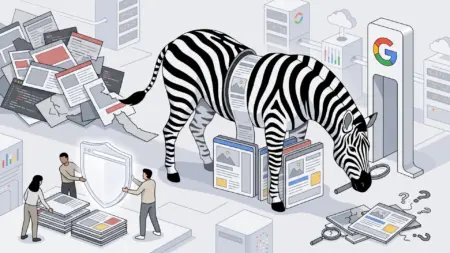
To show users the best possible results, Google relies on a whole range of algorithms. You’ve probably heard of some of them — Panda, Penguin, Hummingbird, and the very Zebra algorithm we’re about to dig into in this article. Each of these was built for a specific job, but if you look at the very bottom of it all, they share one common goal: to find the best website and show it to users in the top Google rankings. And that makes sense — Google is one of the biggest search engines in the world, and the thing it cares about most is keeping those users happy.
Google wants users to reach what they’re looking for in the shortest time possible. But in the middle of all this, plenty of sites — hoping to rank faster and more easily — turned to black-hat or gray-hat SEO tactics to game Google somehow.
What kind of things did they do? They’d repeat a keyword in the text so many times that Google would assume a thorough, complete article had been written on the topic. But the result was that content quality dropped, the text became worthless, and the user still didn’t get what they came for. That’s exactly where Google rolled up its sleeves and, by designing a range of algorithms, went after these rule-breaking sites. So let’s sum it up this way: Google’s algorithms were built to rank sites more fairly. In what follows, I want to talk specifically about Google’s Zebra algorithm and unpack its features and purpose for you.
Table of Contents
What Is Google’s Zebra Algorithm?
The Google Zebra Algorithm is one of Google’s most widely used algorithms, and its job is to keep an eye on online stores and prevent the kind of fraud that happens through them. This algorithm spots fake, low-quality shops and then cuts their reach in Google’s results. The person who introduced it was Matt Cutts — Google’s former head of the spam team — who unveiled it in March 2013 to monitor e-commerce and business websites.
These days, with online stores multiplying, most people do their shopping online. So Google, not wanting its users’ trust to take a hit, updated the Zebra algorithm.
Truth be told, the Zebra algorithm was born exactly when Google decided to take on low-quality online stores and make earning user trust its top priority. Here’s how it went: some of these untrustworthy, low-quality shops had climbed to the top of Google’s rankings using those same black-hat tricks, and that had left a lot of users unhappy and frustrated. So with the Zebra update, Google went to war with these fake, untrustworthy stores. To put it briefly: the main goal of the Zebra algorithm is to remove low-quality, untrustworthy e-commerce sites.
Why Is It Called the Zebra Algorithm?
If you take a look at a zebra, you’ll notice its coat has a black-and-white striped pattern. The interesting part is that the white portion of a zebra’s body reflects non-polarized light, and that light is what keeps insects away. That’s one reason. The second is that this algorithm, like the rest of its family at Google — Panda, Penguin, Pirate, and so on — follows that same black-and-white theme. So you could say the name Zebra comes mostly from that polarization-repelling trait. Just like the animal itself, the Zebra algorithm pushes back and removes low-quality, untrustworthy e-commerce sites, and it’s built to block attacks from fraudsters and spammers.
Let me drop one important note here and move on. Look — if you want to rank on Google, it’s good to be familiar with these algorithms, whether that’s Panda, Zebra, or any of the others. But you really don’t need to get so wrapped up in it that you’re constantly worrying, “Oh no, which algorithm is Google going to use to check my site and rank it now?!” As long as you’re honest, you’re not out to trick anyone, you give users good, relevant products and articles, and you actually solve their problem — trust me, Google will hand you the ranking too.
How Does the Zebra Algorithm Work?
The Zebra algorithm pays most of its attention to a site’s technical side. So if you’re handling the SEO for an e-commerce site, you need to be more familiar than most with how this algorithm works and how it’s structured. If you don’t want Zebra penalizing you and kicking you out of Google’s results, the best move is to earn user trust by offering secure, reliable services. For example, use SSL on your site so that your users’ information stays safe. Now, if you’re not quite sure what SSL is, I’d suggest taking a look at the article “What Is SSL and Why Do We Use HTTPS?”
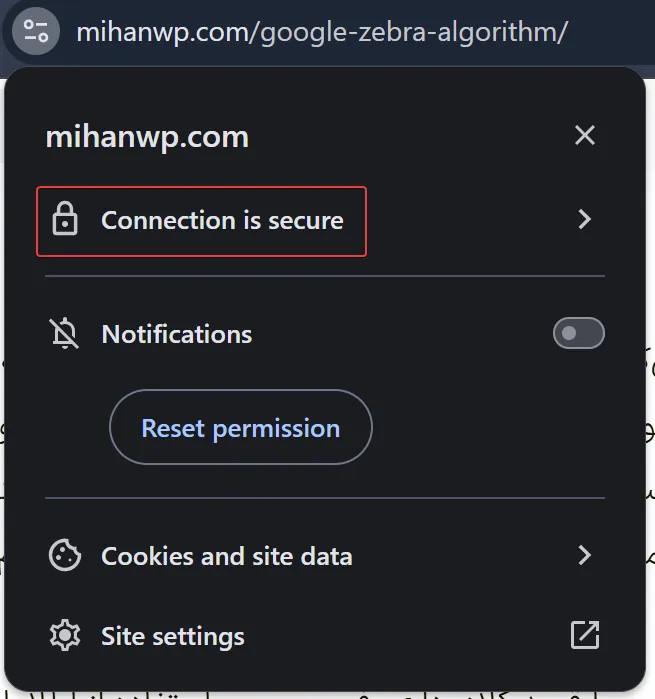
The moment the Zebra algorithm realizes your site is insecure or is out to defraud, deceive, or misuse users’ information, it removes your site very quickly. So if you own an e-commerce site and you want to survive on Google, you have to play by the Zebra algorithm’s rules.
What Is the Main Goal of the Zebra Algorithm?
As I mentioned, the Zebra algorithm fights untrustworthy, insecure sites and won’t let insecure, low-quality, subpar, or low-credibility sites rank. To reach that goal, it puts the following under its magnifying glass:
- Removing online stores that intend to misuse users’ information.
- Removing fake, bogus online stores.
- Removing low-quality, untrustworthy e-commerce sites.
- Removing e-commerce sites that skirt the rules.
- Weeding out weak, subpar retailers.
- Preventing the hacking of users’ information.
In effect, the main job of Google’s algorithms is to separate low-quality, untrustworthy sites from high-quality, secure e-commerce ones. So you could say the goal of the Zebra algorithm is to provide a safe, convenient shopping environment for Google’s users.
The Google Zebra Algorithm and Social Media
As I pointed out earlier, the Zebra algorithm stepped onto the field when Google decided to get rid of untrustworthy, weak online stores. These shops were very low in quality and had little credibility, yet despite all that they’d managed to grab the top spot in Google’s results — and that had upset users. So with the Zebra update, Google went after low-quality online stores and spam sites.
But the story doesn’t end there. This algorithm also gets to work in the realm of certain social networks like Twitter and Facebook. See, a lot of SEO folks are active on social media because it’s a way to drive up their site traffic. That’s exactly why the Zebra algorithm came into being — to tackle sites that spam. And now that fake advertising is far from rare on social networks, the Zebra algorithm has grown sensitive to these platforms, keeps an eye on them, and deals seriously with any violation it spots.
What Is Spam, and Why Does Google Consider It Wrong?
You may have run into the word “spam” a few times by now without knowing exactly what it’s about. Let me clear it up. Spam is essentially a set of illegitimate activities — like sending mass requests from fake accounts, flooding users with messages without their permission, and in short anything that creates a nuisance for a user or a website. In the world of the Zebra algorithm, keep one thing firmly in mind: you must not create artificial, bot-like traffic on your site.
How the Zebra Algorithm Deals with Social Media
You might ask why the Zebra algorithm should have anything to do with social media at all. The answer is simple. There’s no shortage of opportunists — exactly like the ones who used to sell fake followers. They can bombard your backlinks on social media with bots; for instance, 100,000 clicks suddenly land on your site and you rank. But Google catches this with the Zebra algorithm and may pull your site out of reach entirely.
Here the Zebra algorithm goes after links that get tweeted excessively. Picture hundreds of thousands of accounts tweeting your link within a few minutes — and with identical keywords, no less! Google recognizes this behavior perfectly well, and that’s the end of the road for your site.
On Facebook there are plenty of fake personal and business profiles that fraudsters use to rack up more likes and shares. Now your site’s link might end up on those fake pages too. Google reviews each of these backlinks one by one, finds the irregularities, and that’s precisely why the Zebra algorithm cracks down on them.
The Ultimate Impact of This Algorithm on Your Site’s SEO
The Zebra algorithm has had a huge impact on the SEO of e-commerce sites. Sites that operate against this algorithm’s rules get penalized by it. The shape of that penalty is this: the site gets removed from Google’s results and users can no longer see it. Now, some of these penalties — the ones that happen for the first time — may be forgiven after a few days or a few months. But if the same mistakes get repeated, there’s no more forgiveness, and you’ll never be able to operate with that domain again.
Tips for Staying Safe from a Zebra Penalty
First, a reassuring note: so far, no small online store has ever been penalized by the Zebra algorithm in certain markets. But that’s no reason to get complacent. To steer clear of this algorithm’s potential dangers, it’s best to follow the tips below. The good news is that following these very tips will also do a lot to optimize your e-commerce SEO and help your site earn a high ranking in Google’s results.
Create Fresh, High-Quality Content
Google is a content-driven search engine, and the secret to most sites’ success is having excellent, high-quality content. So I recommend you definitely explain your services and products in your site’s blog section, or at the very least write a smooth, pleasant description under each product. And don’t forget one thing: Google’s algorithms detest copied, duplicate content. If you put copied content on your products, you should expect a penalty from Google.

That’s why you should try to write unique, original content. Also, keep an eye on internal linking and include enough internal links in each piece of content, because their absence leads to orphan pages on your site.
Being Customer-Focused
One of the keys to any seller’s success is being customer-focused, and this has to hold true online too. For example, replying to customers’ comments and suggestions has a big impact and raises their satisfaction. With this simple act, you earn the customer’s trust, and that trust gradually turns into loyalty. Here’s a small trick too: if you want to improve your product page’s SEO, instead of answering all the messages in a single day, respond to a few comments every now and then. Why? Because it does a lot to reinforce how up-to-date the page stays.
Proper Support
Having a support team can play a very positive role in attracting and retaining your customers. A team like this is genuinely essential for responding to customers’ comments and complaints. On top of that, this same team can set up discounts to draw in more users and support customers, and keep them in the loop by sending newsletters and emails.
Using Video to Showcase Your Products
Making clips and videos to explain your products and introduce their features earns more and more user trust. Just don’t forget one thing: write a short description for your videos. This makes Google pay attention to your videos too.
Using Live Chat
I recommend enabling a live chat system for your e-commerce site. This way users get answers to their questions in the shortest possible time, and that has a very good effect on your conversion rate.

Boosting Your Site’s Speed
Research shows that users won’t wait much more than 5 seconds for your site to load. If your site takes longer than that, your bounce rate goes up and you lose users. Now, given that e-commerce sites are full of product images, the site’s size grows and its speed may drop. That’s why optimizing your image sizes is very important and can be a big help in boosting your site’s speed.

Wrapping Up
In this article we took a look at the Zebra algorithm and explained why and how it came about. After that we shared a few tips on how to stay safe from this algorithm’s penalty, and finally we tried to give you information that would help you have both better SEO and higher sales. I hope it comes in handy. Wishing you success. 🙂

Ahura WordPress Theme
The Power to Change EverythingElementor Page Builder
The most powerful WordPress page builder with 100+ exclusive custom elements.
Incredible Performance
With Ahura’s smart modular loading technology, files load only when they are truly needed.
SEO Optimized for Google
Every line of code is carefully aligned with Google’s algorithms and best practices.

To post a comment, please register or log in first.