 Tutorials


 Ahura
Ahura Plugins

 Blog
BlogWhat Is an Online Business and Why Should We Take Our Business Online?
- Tutorials
- Updated on
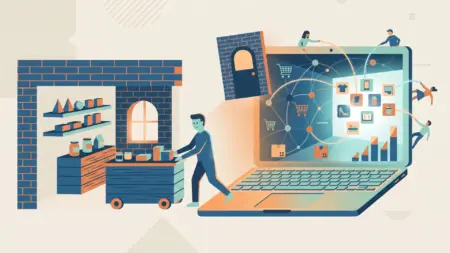
These days, everywhere you look, someone is talking about “online income.” One person says they’ve earned money from home using just their phone, another has launched an online store, and someone else is making money from the internet without even having a product. It’s only natural that after hearing all these stories, a big question forms in your mind: What exactly is an online business, and can it really generate real income?
Right after that question, a bunch of others usually pop up. Where should you start? What if you don’t have any capital? Is this space only for professionals, or can a beginner like me enter it too? And all those people who say they earn money online—where did they actually start?
The important point is that the answers to these questions aren’t as complicated as you might think; it’s just that no one usually explains them simply and clearly. In this article, we’re going to do exactly that. Step by step, you’ll see what an online business really means, how it differs from the traditional model, what types exist, how you can start even with little capital, and most importantly, what the real and practical path to getting started looks like.
Let me honestly say one thing right from the beginning: entering this world today is much easier than in the past, but that doesn’t mean success is “easy.” You can start very quickly, but to see results, you need to follow the right path and be aware of common mistakes in advance. So if you’re currently stuck somewhere between “Should I start or not?” this article will help you make your decision based not on excitement and guesswork, but on a clear and realistic understanding. Let’s get started.
Table of Contents
Online Business at a Glance
If you’re just looking for a quick and clear answer, this summary will do the job:
What is an online business? Any type of economic activity conducted through the internet that ultimately generates income for you; from selling products and offering services to creating content and earning from an audience.
Why go online? Because with much lower startup costs, you gain access to a larger market (the entire country or even the world), you operate 24/7, and you can grow faster.
Where should we start? In six simple steps: Choosing a niche ← Choosing a revenue model ← Choosing a starting channel ← Creating your first offer ← Getting your first customer ← Optimization.
Is it possible without capital? Yes, but not without “any” cost. If you have little money, you need to compensate with your other two assets: “time” and “skills.”
If you want to learn about each of these in detail, stay with us until the end of the article; we’ll break everything down step by step.
What Is an Online Business?
Before anything else, let’s clarify the concept simply and without complexity. An online business is any type of economic activity that you conduct through the internet and ultimately earn income from. This activity could be selling a product, offering a service, or even creating content and earning from an audience.
To make it more tangible, think for a moment about the traditional model: you have a physical shop and wait for customers to walk in. Now imagine doing the same thing, but instead of a physical store, through a website, an Instagram page, or an online platform. The difference is that your customers are no longer limited to people from one neighborhood; you gain access to a much larger audience—perhaps across the entire country or even the world.
So in simple terms, whenever a buying and selling process or service delivery happens through the internet, you are running an online business. That’s it. It’s not as complicated as it may sound.
Why Should We Take Our Business Online?
Now that we understand what an online business is, it’s natural to ask: “So what? What’s wrong with the traditional model that there’s so much emphasis on going online?” To get a clear answer, let’s review a few key differences between these two models—simple, yet profound.
How to Attract Customers
This is the most fundamental difference that changes everything. In a traditional business, customer flow is physical and location-dependent; meaning the customer has to somehow come across you: walk past your store, hear your name from someone, or live near your area. In reality, you sit and wait for customers to enter your path.
But in an online business, the story is completely reversed. Here, you need to be seen and actively guide customers toward yourself through methods such as SEO and visibility on Google, content creation on Instagram and YouTube, targeted advertising, or collaborations with others. In short: in the traditional model, customers find you; in the online model, you find the customers. And this single change transforms the entire business growth model.
Startup Costs and Risk
In the traditional model, starting a business is usually tied to heavy fixed costs: store deposit or rent, decoration and equipment, initial inventory, and location expenses. This means that before you even make a single sale, you must invest a significant amount of capital.
However, the starting point of an online business is much lighter. In many cases, you can launch with just a mobile phone, an Instagram page, or a simple WordPress website. More importantly, your financial risk is lower because you do not need to pay heavy costs from day one; you can spend gradually and in proportion to your growth.
Geographical Limitations and Target Market
A traditional business is highly dependent on location. If you have a shop in a neighborhood, a large portion of your customers will be from that same area; meaning your market is limited and predictable. But in an online business, this limitation almost disappears. Without relocating, you can access customers across the entire city, the whole country, and even international markets. Just like that, your market shifts from “local” to “unlimited and scalable.”
Growth Speed and Scalability
In the traditional model, growth is usually linear and slow. That means if you want to increase sales, you need to rent a larger space, open a new branch, or hire more staff—and all of these directly increase your costs. In an online business, however, growth can be nonlinear; your sales can multiply without your expenses rising at the same rate. How? By increasing website traffic, going viral with a piece of content, running targeted advertising, or optimizing SEO. The key difference is this: in the traditional model, growth means higher costs, but in the online model, growth means smarter expansion of reach.
Type of Customer Relationship
In a traditional business, communication is face-to-face, direct, and immediate; this helps trust form more quickly, but on a limited scale. In the online space, however, communication takes various forms: social media messages, email marketing, live chat, and interaction through comments and content. There is an important point here: since there is no in-person interaction, you must build digital trust. That means creating trust through high-quality content, customer reviews, branding, and transparency. (The very article you are reading right now is itself an example of this trust-building.)
Flexibility and Business Management
In the traditional model, changing direction is difficult. If you want to add a new product or change your sales model, you usually need physical changes and additional costs. But in an online business, you can quickly run tests, change your sales model, experiment with pricing, or even shift your entire strategy. Instead of having a fixed and heavy structure, you have a system that can be tested and adjusted rapidly.
Overall, traditional businesses are built more on location, physical presence, and initial capital, whereas online businesses grow based on visibility, content, broad access, and scalability. Neither is inherently better or worse, but if your goal is faster growth, access to a larger market, and starting with lower costs, the online model is usually the more logical choice—provided that you follow the right path.
Comparison Table of Traditional and Online Businesses (At a Glance)
To see all these differences clearly in one place, this table provides a good summary.
Here’s the English translation:
| Comparison Criteria | Traditional Business | Online Business |
|---|---|---|
| Customer acquisition | Customers must visit the physical location in person | You reach customers through content, advertising, and SEO |
| Startup cost | Usually high (rent, decor, equipment) | Usually low (website, internet, simple tools) |
| Geographic limitation | Limited to one city or region | Borderless; the whole country or even the world |
| Growth speed | Slow and dependent on physical location | Faster and scalable |
| Customer communication | Mainly in-person and direct | Online (messaging, email, social media) |
| Working hours | Limited to set hours | 24/7 with no restrictions |
| Marketing method | Traditional (outdoor ads, in-person referrals) | Digital (SEO, social media, online advertising) |
| Data analysis capability | Limited and experience-based | Precise and measurable |
| Possibility of starting with low capital | Usually difficult | Relatively easy |
If you look closely at this table, you’ll notice that the main difference between these two models is not just in their appearance, but in how they grow and access the market. A traditional business depends on a physical location, whereas an online business relies on skills, content, and strategy. So if you’re looking for faster growth and a low-cost start, the online model is the more logical choice.
Types of Online Business Models
Before anything else, know this important point: not everyone reaches income through the same path. One person earns by selling physical products, another through their skills and services, another through content creation, and someone else by selling a digital file. When many people hear the term “online business,” they think only of an online store, while this is just one of dozens of available models. So let’s get familiar with the most common models to see which one best fits your situation, skills, and goals.
Selling Physical Products
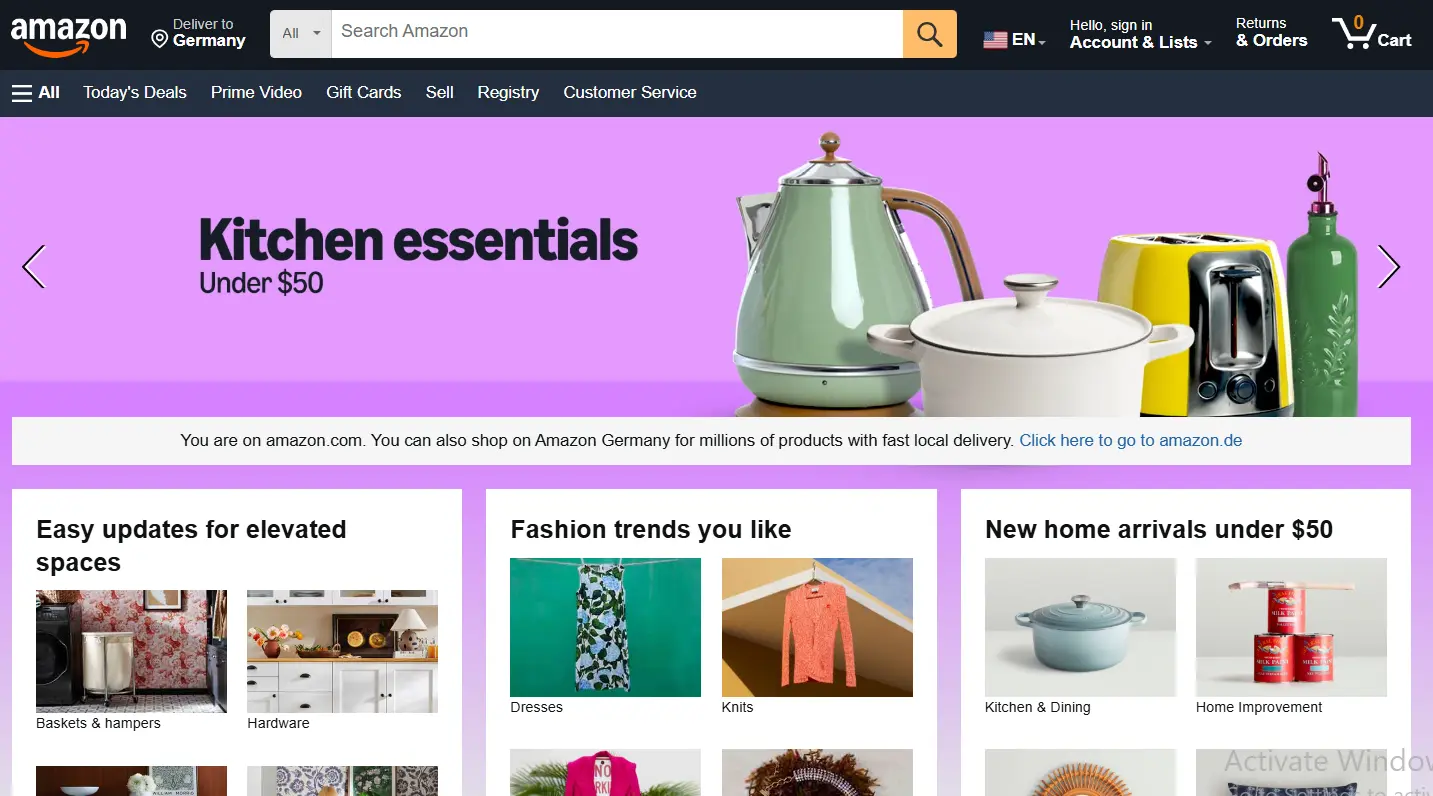
This is one of the oldest and most well-known models. You have a tangible product and deliver it to customers through the internet—from clothing and cosmetics to handicrafts, food items, digital devices, and workshop-produced goods. Customers usually discover your product through a website, Instagram, or marketplaces like Amazon, place an order, and the product is shipped to them.
Its major advantage is that it has a very large market, and people are already used to online shopping. On the other hand, you must also take responsibility for tasks such as inventory management, packaging, shipping, and handling returns. If you have a product to sell or access to suppliers, this model can be a good starting point.
Providing Online Services (Freelancing)
If you don’t have much capital but have a skill, this is probably the best option for you. Instead of selling a product, you offer your expertise and knowledge, and clients pay you for the time and value you create. These services can include website design, graphic design, content creation, translation, consulting, programming, SEO, video editing, or social media management.
The biggest advantage is that it requires almost no initial investment; you can start with just a laptop and an internet connection. Interestingly, many of today’s large businesses began as a single freelancer who gradually built a team and grew.
Selling Digital Products
A digital product is something that is delivered to the customer as a file after purchase and does not require physical shipping; such as an online course, eBook, WordPress theme or plugin, graphic file, or ready-made tools. Its attractive feature is that you create the product once, but you can sell it over and over again. Imagine producing a 5-hour training course; the main cost is paid only once, but after that, you can sell the same course hundreds of times without any additional production cost. That’s why many consider this model one of the most profitable.
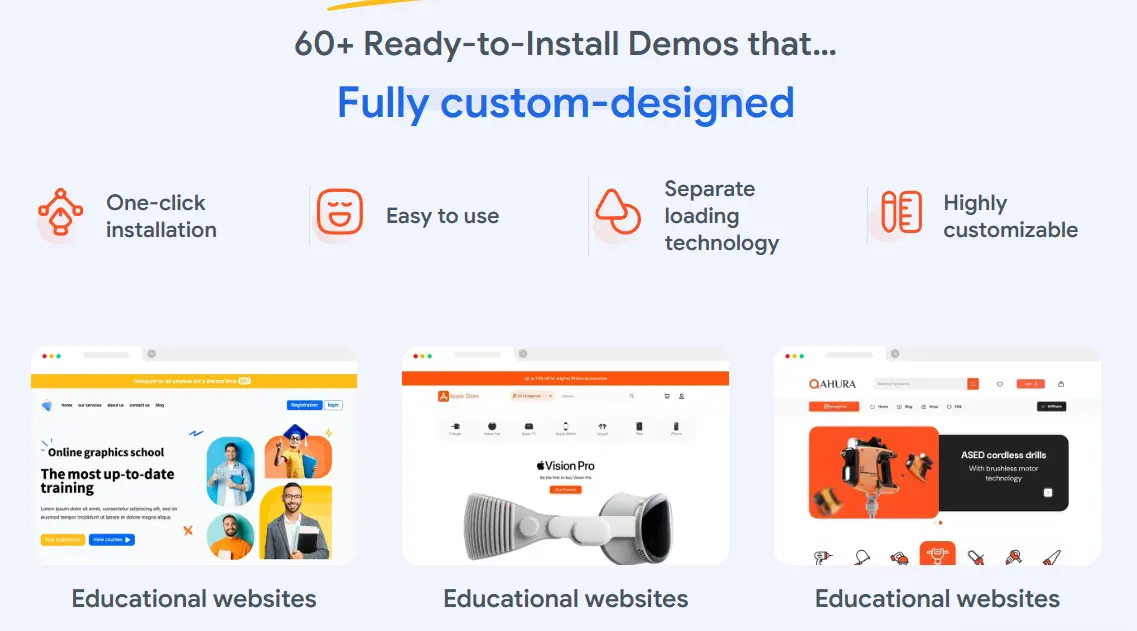
In fact, at Artano, we are implementing a real example of this exact model. We design, prepare, and offer various products entirely online, and users purchase and download them without any in-person visit. For example, the Ahura theme is a ready-made WordPress theme for launching professional websites.
Affiliate Marketing
In this model, you don’t sell your own product; instead, you promote other people’s products or services and earn a commission for each sale. For example, you might introduce a book, an online course, or a piece of software, and if someone makes a purchase through your unique link, you receive a percentage of the sale. This model is especially attractive for people who have content creation skills, because there’s no need to produce a product, manage inventory, or provide support. Just keep in mind that success in this model is completely dependent on audience trust; if your audience doesn’t trust your recommendations, no sales will happen.
Content Creation and Earning from Your Audience
One of the most popular models in recent years is building a personal media platform and earning from your audience. Here, by producing valuable content, you build your own community—whether through a blog, YouTube, Instagram, a podcast, or Telegram. Once your audience grows, various income streams open up: advertising, sponsorships, selling products or courses, and affiliate marketing.
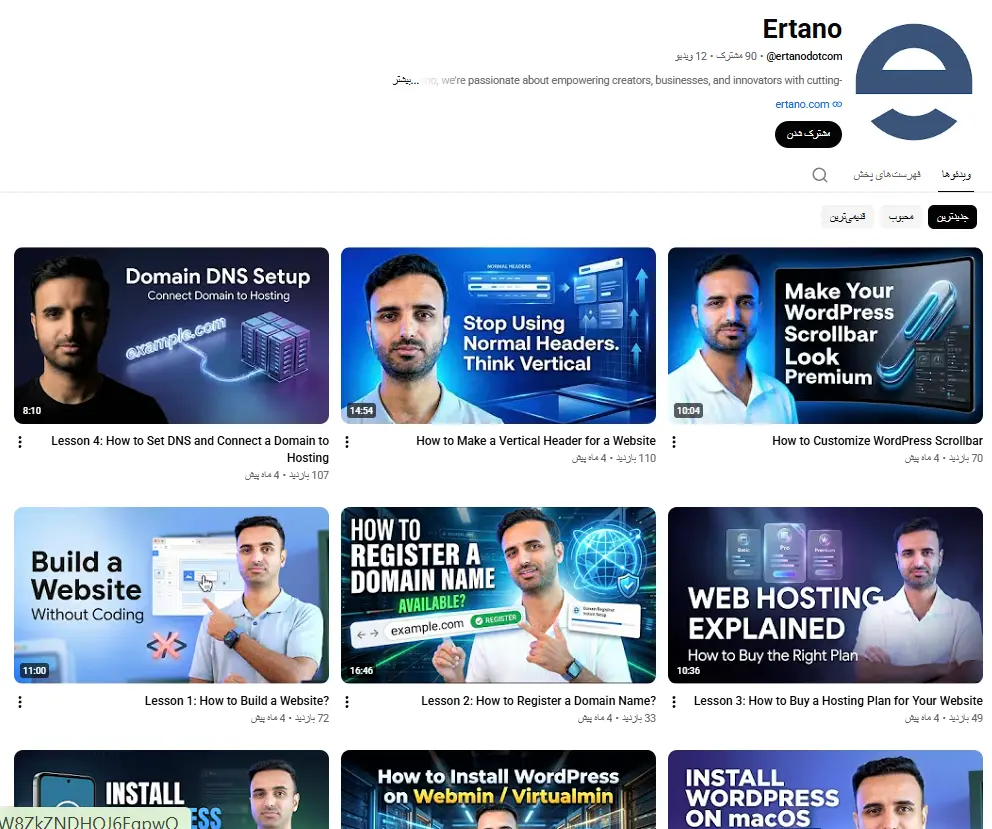
I can show you the best example right here: at Ertano, we have consistently published educational videos on our YouTube channel and website without interruption.
Subscription and Premium Membership Model
In this model, instead of making a one-time purchase, users pay a monthly or annual fee for continuous access to services or content; examples include subscription-based educational websites, web-based software, and exclusive membership clubs. Its biggest advantage is recurring revenue—meaning if you can retain users, a portion of your monthly income becomes predictable. That’s why many large businesses around the world are shifting from one-time sales models to subscription-based models.
By purchasing a subscription or premium membership, users can gain full online access to this course and other training materials on the site and view the educational content whenever they want. Instead of selling a single product, this approach builds a continuous access system that provides greater value for users and creates sustainable income for the business.
Dropshipping
This model, which has become popular in recent years, is a form of selling without holding inventory. You list products on your website or social media, but the supplier holds the inventory. When a customer places an order, the supplier ships the product directly to them. Its main advantage is that you don’t need to purchase initial inventory or manage warehousing. On the other hand, you have less control over shipping quality and the customer experience, which can sometimes be challenging.
Quick Comparison Table of Models Based on Investment and Speed of Income
If you want to quickly see which model fits your current situation, this table can help you:
| Business Model | Required Initial Capital | Speed to Revenue | Suitable For |
|---|---|---|---|
| Online services (freelancing) | Very low | Fast (a few weeks) | People who have a skill |
| Selling physical products | Medium to high | Medium | People who have a product or can source goods |
| Selling digital products | Low to medium | Medium | Experts who can create high-quality content |
| Affiliate marketing | Very low | Medium to slow | Content creators with an audience |
| Content creation and audience monetization | Low | Slow (several months or more) | People with the patience to build an audience long-term |
| Subscription model | Medium | Slow but stable | People who have ongoing content or services |
| Dropshipping | Low | Medium | People who don’t want to deal with inventory |
Which Model Is More Suitable for You?
The answer to this question is not the same for everyone and completely depends on your personal circumstances. If you have a specialized skill, offering online services is the fastest way to get started. If you have a product or access to supply goods, selling physical products is a good option. If you are an expert in a particular field and possess valuable knowledge, selling digital products can be highly profitable. And if you are interested in content creation and have the patience to build an audience over the long term, the media model is an attractive choice.
But the most important point is this: instead of chasing trends, choose a model that aligns with your abilities, resources, and current situation. Many people don’t fail because they chose the wrong model; they fail because they choose a model that doesn’t match their personality, skills, and lifestyle at all.
Is It Possible to Start an Online Business Without Capital?
This is probably the most frequently asked question that almost everyone raises before getting started. Let me give you a short and honest answer: yes, it’s possible—but not without any cost at all. Some content suggests that you can earn money without spending any money, having any skills, investing time, or making any effort. The reality is that such a thing does not exist. Every business needs some type of capital to grow; however, that capital is not always money. In the world of online business, we usually deal with three types of capital: financial capital, time capital, and skill capital.
If you don’t have much money but you do have time and skills, you can still start. Many of today’s successful businesses began exactly this way. Suppose you have expertise in website design, content creation, translation, or teaching a specialized skill; you don’t need to launch a big store or spend millions on advertising from day one. You simply need to offer that skill to others and start generating income from your very first projects.
Even if you don’t have a specific skill, you still have options. Today, the volume of free educational resources is so vast that learning income-generating skills is much easier than in the past. (This very YouTube channel and Artano’s training materials are examples of such resources.) Just remember that learning itself is a form of investment; you may not pay money, but you must invest time. In general, models like freelancing, content creation, affiliate marketing, and social media management can be started with minimal costs, while selling physical products or importing goods usually requires more capital.
And here’s an important point that many beginners overlook: lack of capital is not always the biggest obstacle. In many cases, the absence of a clear plan, lack of persistence, or the expectation of quick income damages a business more than a shortage of money. Many of the successful businesses you see today didn’t have offices, large teams, or hundreds of millions in startup capital at the beginning; they started with a laptop and a few hours of work per day. So if you don’t have much capital today, instead of constantly asking, “Why can’t I start?” ask yourself: “With the resources I have right now, where can I begin?” This shift in mindset has been the starting point of many successful journeys.
How Long Does It Take to Earn Income and What Is Realistic?
This is probably the most important question of all, yet few people answer it honestly. Let’s talk about it without slogans or empty promises.
First of all, let’s accept one reality: there is no fixed timeframe for your “first income,” because it completely depends on the model you choose. If you go into online services (freelancing) and have solid skills, you might land your first project within the first few weeks. But if you choose a model like content creation, SEO, or building a media brand, you need to be honest with yourself that it may take several months before you see tangible results. Not because you’re doing something wrong, but because these models are inherently time-consuming, and in the early months you are building infrastructure and trust.
As for the amount of income, let’s be realistic. No one can give you a guaranteed number, because your income depends on several factors: the model you choose, your level of skill and the quality of your work, the field you operate in, and most importantly, the consistency you maintain. The truth is that income growth in online businesses is usually stepwise, not linear. This means your earnings may remain low and slow for months, and then after a certain point—once trust and audience grow—they can increase rapidly.
So if you want to set a healthy and realistic expectation, keep this in mind: consider the first few months as a period of “building and learning,” not a period of “high income.” Someone who enters with this mindset is far less likely to become disappointed or discouraged than someone who expects to get rich overnight.
The Real Path to Starting an Online Business (6 Practical Steps)
Now we’ve reached the part you’ve probably been waiting for the most. If we want to map out a real, simple, and actionable path to getting started, we need to move step by step—not scattered and without a plan. These six steps are your roadmap:
Step 1: Choose Your Niche
The first step is to clearly define what topic you want to work on. In other words, choose a specific niche where a real problem exists. When your niche is precise, creating content becomes easier, and your audience understands you faster and trusts you more.
Step 2: Choose a Revenue Model
After selecting your niche, you need to determine how you will generate income—through offering services, selling products, creating content, or a combination of these. (That comparison table of models you saw earlier will be very useful here.) This step ensures your path is clear from the beginning and prevents confusion along the way.
Step 3: Choose Your Starting Channel
Now you must decide where to begin. You can start with Instagram, build a WordPress website, or operate in marketplaces. The key is to focus on one channel instead of spreading yourself across multiple platforms, and to take that one channel seriously.
Step 4: Create Your First Offer
At this stage, you need to prepare a simple and clear offer for your audience. This could be a basic service, an initial product, or even a small educational package. What matters is that you have something to present—even if it’s not perfect. Many people wait so long for the “perfect offer” that they never start.
Step 5: Get Your First Customer
Your goal here is just one thing: experience your first sale. Even if you need to start at a lower price—or even for free at the beginning. Why? Because this first experience gives you three things: real feedback, initial trust, and a proper understanding of the market. These three are golden for continuing your journey.
Step 6: Optimize
After your first experiences, the real work begins. You need to evaluate what worked well, what needs improvement, and how you can do better. This is where your business moves from the beginner stage into a professional phase, and real growth happens. Remember: an online business is a continuous cycle of “execute, get feedback, improve” that keeps repeating.
Essential Tools to Get Started in 2026
When you’re new to the world of online business, many people think you must have a complex system, a professional team, or expensive tools to get started. But the reality is that in 2026, getting started is easier than ever, and with just a few essential tools, you can build a completely real and scalable path. Let’s take a look at the most important ones together.
Building a Website: WordPress and WooCommerce
This combination is the foundation of many online businesses. With WordPress and WooCommerce, you can launch a complete online store or service-based website without knowing even a single line of code. From managing products to processing orders and payments, everything is handled within this system, and it’s fully sufficient for getting started. Its popularity comes from being free and open-source, highly flexible and scalable, and offering excellent SEO performance.
If you want to get started right away, Ertano provides free training courses for launching an online store, allowing you to move forward step by step and build your website. And if you’re looking for a professional ready-made theme to start faster, the Ahura theme is designed exactly for this purpose.
Legal and Tax Points You Should Know
A lot of people skip over this part, but it’s honestly one of the most important steps that turns your business from a simple side activity into something serious and trustworthy. If you’re in this for the long run, it’s better to get familiar with these topics right from the start.
Trust Signals and Business Verification
You’ve probably noticed little badges at the bottom of many online stores — things like SSL security certificates, trust seals, or verified-business marks. These signals show visitors that your site is secure and that there’s a real, identifiable business behind it. Why do they matter? They help you in two ways: first, they reassure customers that they’re dealing with a legitimate business (and that trust has a direct effect on your sales), and second, some things — like connecting to certain payment gateways or selling on particular platforms — may require them. So if you’re serious about selling, getting your site properly secured and verified should be one of your priorities. Depending on where you operate, this can mean installing an SSL certificate, registering your business officially, and displaying recognized trust seals.
Licenses and Business Requirements
Depending on the type of work you do, you may need specific licenses or permits. For example, selling certain products (like food, cosmetics, or specialized goods) may require separate approvals. Before you dive deep into a particular field, it’s a good idea to check what legal requirements apply to your work so you don’t get caught off guard later.
Taxes for Online Businesses
A common misconception is that “online businesses don’t pay taxes.” That’s not true. Income earned from online activity, just like any other income, is subject to tax laws. The good news is that many countries offer exemptions or relief for small and newly launched businesses. The most important thing you can do is keep things financially organized from day one: record your income and expenses, and file and report your taxes at the right time. It might feel like extra work now, but it’ll save you a lot of headaches down the road.
One important note: Rules around business verification, licensing, and especially taxes (rates, exemption thresholds, and conditions) can change every year and vary significantly from country to country. So to be sure about exact details and figures, always check official sources (such as your local tax authority and business registration office) or talk to a qualified tax advisor or accountant. This section just gives you a general overview — it’s not precise legal or tax advice.
The Most Common Reasons for Failure and Beginner Mistakes
If you spend a little time browsing the internet, you’ll see it’s full of success stories—people who started from zero and reached a good income. But what’s talked about far less is the large number of people who entered this path and gave up very quickly. The reality is that starting an online business has become easier than before, but succeeding in it still requires patience, learning, and consistency. The important point is that most people fail not because their idea is bad, but because of preventable mistakes. Let’s go over the most important ones so you don’t fall into the same traps.
Not Having a Clear Niche
This is probably the most fundamental mistake. Many people start without clearly knowing who they are serving and what problem they are solving. When your audience isn’t defined, your content becomes scattered, your brand message remains vague, and no deep connection is formed with your audience. Remember this simple truth: when you try to target “everyone,” in practice you become relevant to no one. Successful businesses target a specific group and solve that group’s problem better than their competitors.
Starting Without a Monetizable Skill or a Plan
Some people start without having any marketable skill and expect to learn, execute, and earn income all at the same time. This path usually leads to confusion. If you don’t have a skill yet, first focus on learning one clear path instead of trying multiple paths at once and not going deep into any of them. The same applies to having a plan; starting without knowing what you want to sell, to whom, and what your ultimate goal is will quickly lead to frustration and lack of results.
Expecting Fast Income and Being Impatient
This is one of the most common reasons for failure. Many people think an online business is a shortcut to getting rich; they launch a website, publish a few posts, and expect to reach significant income within a few weeks. When that doesn’t happen, they become discouraged and quit. In reality, most successful businesses spent months—and sometimes years—before reaching stable income. Real growth is gradual, not instant.
Focusing on Selling Instead of Solving a Problem (and Producing Weak Content)
Customers don’t go online to “buy a product”; they go online to “solve a problem.” If all your focus is on selling and you ignore your audience’s real needs, it will be very difficult to build trust. This is where content plays a vital role; content is essentially the storefront of your business. Many people simply publish posts, but they don’t create content that truly solves their audience’s problems. The result? They get seen, but they make no impact. Successful businesses create value first, and then sales happen naturally.
Not Having a Sales System
This mistake is very common—and very costly. Many people produce content, attract an audience, and even have a product, but they don’t know how to convert visitors into customers. Having content without a sales path is like owning a store full of products but having no clear sales process. You need to design your sales system from the very beginning.
Giving Up Too Soon and Stopping Learning
And perhaps the most important reason is this. Many people don’t see remarkable results in the first few months and assume the path is wrong, while a large part of growth in the early months isn’t visible at all—because you’re building infrastructure and trust. On the other hand, the digital world is constantly changing; algorithms shift, tools get updated, and if you stop learning, you will quickly fall behind your competitors.
Comparison Table of the Wrong Path and the Right Path
To see all these points clearly in one place, this table helps you put both sides of the story next to each other:
| Wrong Path | Its Typical Result | Right Path | The Result It Creates |
|---|---|---|---|
| Starting without choosing a specific field | Confusion and scattered content | Choosing a niche and focusing on one specific problem | Attracting a targeted audience and earning trust faster |
| Copying competitors completely without analysis | Having no identity and competing without an advantage | Analyzing competitors and building your own style | Standing out in the market and increasing sales |
| Focusing on all audiences | No deep connection with any group | Focusing on one specific group | Targeted engagement and sales |
| Expecting fast income | Disappointment and abandoning the path | Building gradually with realistic expectations | Sustainable growth and predictable income |
| Having no sales strategy | Content with no real income | Designing the sales path from the start | Turning your audience into customers |
| Only executing without learning | Lots of trial and error and wasted time | Learning while executing | Fewer mistakes and faster growth |
If you look closely at this table, you’ll notice that the difference between success and failure usually isn’t in “complicated ideas,” but in these simple yet important choices. You don’t need to know everything from the beginning, but you do need to know what you shouldn’t do. This awareness alone will save you a great deal of time and energy.
Frequently Asked Questions
Is it really possible to earn sustainable income from an online business?
Yes. Many people are currently earning sustainable income through the internet, but the important point is that this income is not built overnight. If you choose the right path, focus on a specific model, and consistently create value, you can achieve steady income. What makes the difference is “consistency” and “proper execution of the path,” not luck.
How long does it take to reach the first income?
This is not the same for everyone and depends on the model you choose. In online service models, you might experience your first income within the first few weeks, but in models like content creation or SEO, it may take several months. The key is to see this period as a “foundation-building phase,” not a time of fruitless waiting.
Can you start without any capital?
Yes, but you need to be realistic. You can start without financial capital, but you still need “time” and “learning.” That means either you invest time to learn a skill, or if you already have a skill, you use it. Models like freelancing, content creation, and affiliate marketing are especially suitable for these conditions.
Do we absolutely need a website to start?
No, it is not mandatory. You can start with Instagram, Telegram, or marketplaces. However, if you want to grow more seriously and professionally, having a website becomes very important along the way, because it helps you get seen on Google and reduces your dependence on social media platforms.
What is the main difference between those who succeed and those who fail?
If we want to put it very clearly, the main difference is “continuing.” Many people start, but they give up before seeing real results. In contrast, successful individuals continue on the same path, refine it, and gradually grow. Success is more about consistent execution than about the idea itself.
Does high competition mean we shouldn’t enter the field?
No. High competition does not mean the market is saturated; it usually means that the field is profitable. What matters is how you differentiate yourself. Even in crowded markets, there is always room for better, more specialized, and more unique approaches.
Why do some people not get results despite their efforts?
Usually because of a combination of factors: lack of focus, scattered starts, weak content production, lack of a sales strategy, and most importantly, impatience. Many people think the problem lies in the market or their idea, when in reality the main issue is usually in the way they execute.
Final Summary
In this article, you saw that an online business is not just a trend or a catchy slogan; it is a real model of generating income that today makes up a large part of the global economy. What makes this path important is that you are no longer limited by location, time, or heavy investments, and you can start with tools much simpler than you might think.
The point you should always remember is that success in this space depends less on having a “unique idea” or “large capital” and more on “starting correctly” and “continuing consistently.” Many people started with completely ordinary circumstances, but because they followed the right path, they gradually grew and reached profitability—exactly the experience we have gone through at Mihan WordPress over the past 11 years.
To give you a complete overview of the journey in one place, this table summarizes it:
| Stage | What You Do | The Result You Get |
|---|---|---|
| Choosing a niche | Picking a specific, solvable topic for a particular group | Avoiding confusion and attracting a targeted audience |
| Choosing a revenue model | Choosing between selling products, services, or creating content | Clarifying your path to making money |
| Choosing a starting channel | Starting with Instagram, a website, or a marketplace | Entering the market quickly without complexity |
| Creating your first offer | Presenting a simple, sellable product or service | Your first real sales experience |
| Getting your first customer | Even at a discount or for free | Building initial trust and a portfolio |
| Optimizing the path | Reviewing feedback and refining your work | Sustainable growth and increased income |
If you want to seriously start this path, you don’t need to know everything from the beginning. It’s enough to take one real step, get results, make improvements, and keep going. This simple cycle is the foundation of all successful online businesses. In one sentence: an online business is a journey of “learning + execution + improvement,” not a one-time event. The sooner you take action, the sooner you gain real experience—and it’s these experiences that build your path to success. Wishing you success and victory.

Ahura WordPress Theme
The Power to Change EverythingElementor Page Builder
The most powerful WordPress page builder with 100+ exclusive custom elements.
Incredible Performance
With Ahura’s smart modular loading technology, files load only when they are truly needed.
SEO Optimized for Google
Every line of code is carefully aligned with Google’s algorithms and best practices.
To post a comment, please register or log in first.