
 Tutorials


 Ahura
Ahura Plugins

 Blog
BlogProduct Page Copywriting in 4 Steps
- Tutorials
- Updated on

Let’s start with something familiar. You open up your [site’s stats] and see that a few hundred people a day are landing on your product page. You get excited. Then you head over to your orders and… nothing. Two, three, none at all.
The problem usually isn’t traffic. The problem is that the person came, took a look, wasn’t convinced, and left. And the thing that should have convinced them was your product page copy — which either was never written at all, or was left at the level of “high-quality product, fast shipping.”
In this article, we’re going to walk through a four-step framework that will multiply your sales with the very same traffic you already have — no empty slogans. Once you see the steps, you’ll understand for yourself why it works.
Table of Contents
What a Landing Page Is and What It’s For
A landing page is a page that a user “lands” on. That’s it. Its purpose comes in three forms:
- We collect information from them (a signup form, phone number, email)
- We give them information (introducing an event, explaining a service)
- We present a product or service to them and want them to buy
Our focus in this article is only the third form — that is, a page that should end with the “Buy” button being clicked.
Writing Product Page Copy
Look, writing product page copy means deciding what text to put on your product page, and in what order, so that the user is convinced to buy.
The key word there is “order.” Plenty of people have the text and have the information, but they just dump it onto the page like a warehouse. Copywriting means giving that information a path to follow.
The end goal is two things that come together: give correct information, and convince the user. If you only give information, you become Wikipedia. If you only try to convince, you become a telemarketer nuisance.
The Goal: Correct Information + Persuasion, Without Exaggeration
Here we have a red line that people cross far too easily: don’t exaggerate.
“The best product on the market,” “100% guaranteed success,” “a revolution in the industry” — these phrases worked at one point. Now, when a user reads them, they subconsciously trust you one notch less. Because they’ve heard it a thousand times and it’s turned out to be a lie a thousand times.
Persuasion is done with reality, not with superlatives.
Two Common Mistakes: Exaggerating, and Introducing Too Briefly
There are two mistakes that almost everyone makes one of:
The first mistake, exaggeration: you have an average product and you want to blow it up with your copy. The result? You might sell a few, but a wave of returns and dissatisfaction comes right back in your face. On top of that, you’ve burned your own brand.
The second mistake, which we find more painful: you have a genuinely good product, you spent six months on it, and then you introduce it with three lines on the product page. How is the user supposed to know what’s behind it? Your good product is going to waste because of a bad introduction.
Our goal is right in the middle of these two: introduce the product exactly as much as it is — but completely.
Prerequisites
Let’s look at what skills you need before you can do great copywriting.
Writing text correctly
Before we get to the steps, you need three things.
The first is writing correctly. We don’t mean literary composition. We mean not having spelling mistakes, keeping your sentences short and smooth, and getting your punctuation and spacing right.
Think nobody notices these things? They do. Subconsciously. A user who sees three spelling mistakes in your copy will subconsciously start doubting the quality of your packaging and support too. Your copy is the first sample of your work they see.
Photoshop, enough to make web graphics
You don’t need to become a graphic designer. But you should be able to crop an image, size it correctly for the web, build a comparison box, and put an arrow and a caption on a product photo. That’s all. If you don’t have even that, at least know that you need someone who does.
Producing video and audio content
Take this one seriously. A short video where you hold the product in your hand and show it off is stronger than a thousand words of text. You don’t need a studio either. A phone, natural light, clean audio. That’s enough.
Why text alone isn’t enough to drive a purchase
The reason is simple: text can be written, but video has to be had. Anyone can write “our product is very high quality.” But when you put up a video of the real product actually working, the user no longer relies on your word — they rely on their own eyes. That’s where their resistance breaks. So the formula is: structured text + images + video. All three together.
The Four Steps of Introducing a Product
Now we get to the heart of the matter.
Let’s say one thing first: these four steps aren’t specific to websites. In in-person, phone, and online sales, it’s exactly the same. A good salesperson in a shop unconsciously follows this very same path. The logic behind it: everyone who lands on your product page is in one of these four states of awareness:
- They don’t know the product at all
- They know the product, but have doubts
- They know the product and the competitors
- They know the product and have already bought from a competitor
The mistake most sites make is writing for only one of these four people. They lose the other three.
Step One: The User Who Doesn’t Know the Product
Let your first assumption be: this person knows nothing.
Selling an online course? Assume they don’t know what this course is or what it’s good for. Selling a phone? Assume they haven’t even heard the model’s name.
We know it’s hard. You’ve been living with this product for months; it’s obvious to you. But it isn’t to that person. That gap is the single biggest killer of sales.
Important note: make this part a story.
Instead of “the comprehensive content-creation course includes 40 hours of instruction,” start like this:
“There’s always been a problem: people write, they put in the effort, but nobody reads. We struggled with this exact problem for two years until we figured out what was going on. This course came out of that very experience.”
Feel the difference? The first is specs, the second is a story. The human brain is built for stories. This part can be several paragraphs, and that’s fine. Someone who doesn’t know the product needs to get to know it fully.
Step Two: The User Who Knows the Product but Has Doubts
This person doesn’t read the first part at all. They scroll right past it. They know the product; their question is something else:
“Is this right for me? Is it worth my money and time?”
This isn’t the place for a story. It’s the place for details. Precise specs, chapter outlines, dimensions, materials, duration — anything that helps them see themselves in the result. But be careful, details aren’t just a list. You have to connect each detail to an outcome:
- Bad: “5000 mAh battery”
- Good: “5000 mAh battery: meaning it lasts from morning to night on normal use, no charger needed”
And again, emphasis: only write things that are actually there and actually solve their problem. If you make empty promises here, the problem won’t end in a sale — it’ll end in returns and complaints.

Step Three: The User Who Knows the Product and the Competitors
This one is more of a pro. They’ve got three other tabs open and they’re comparing. If you don’t answer their question on your page, they’ll go get the answer on a competitor’s page. So do the comparison yourself. There are two cases:
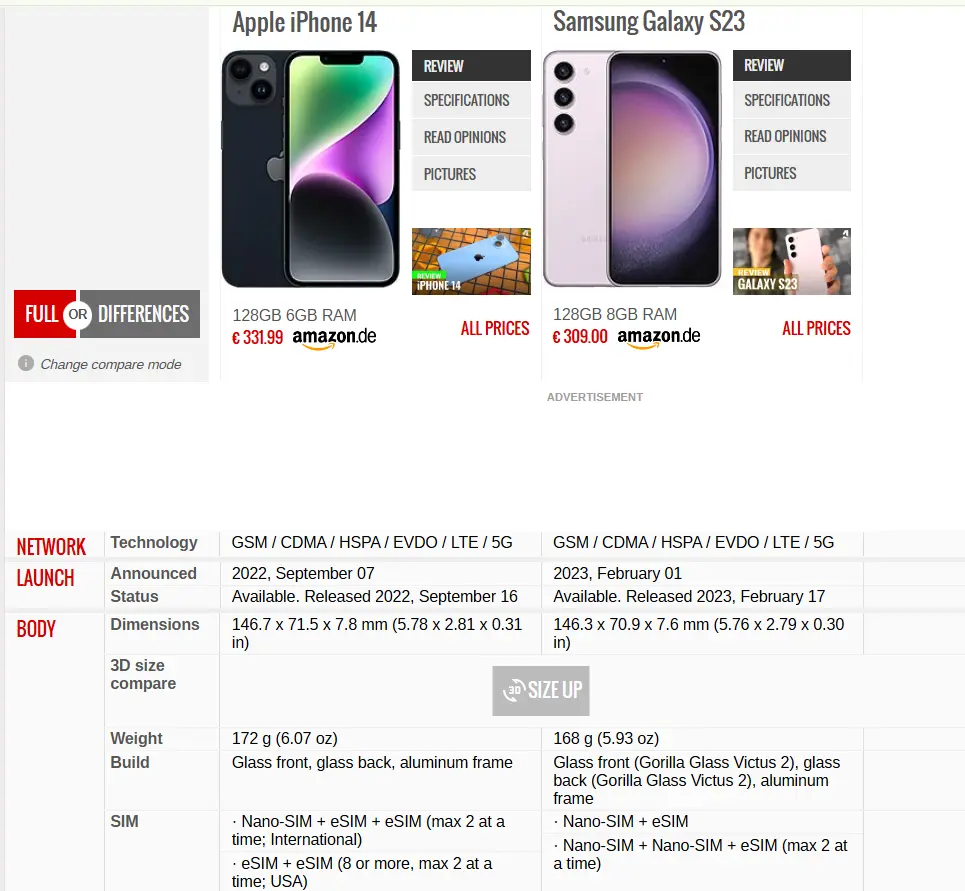
If your product differs from the rest, compare the product. Selling an iPhone? Say what it has and doesn’t have compared to a Samsung. Yes, mention the “doesn’t have” part too. That very honesty makes the rest of what you say believable.
If ten other sites sell the exact same product, don’t compare the product anymore. Compare buying from you:
- Money-back guarantee
- A guarantee that the item is sound and problem-free
- Price guarantee: if you find it cheaper elsewhere, we’ll refund you in full
- Real support, not a bot
And one golden condition: all of this has to be real. If you write “money-back guarantee” and then drag your feet when it’s time to return the money, you got today’s sale but lost your brand.
Step Four: The User Who Has Already Bought from Competitors
The toughest audience. Because they both know the product and have a prior experience. And if that experience was bad, they’ve come onto your page with their guard up.
Here your job is to acknowledge their previous experience and then make a promise.
For example:
“We know you may have bought this product somewhere else before and run into trouble. It arrived late, support didn’t respond, or it wasn’t what they claimed. We promise there’s none of that here — and if there is, we’ll refund you, no questions asked.”
Back this promise up with a guarantee. A quality guarantee, a return guarantee, whatever you can genuinely stand behind. The more you reduce the risk of buying for that person, the more likely they are to buy.
Wrapping Up: Get All 4 People to Buy
The whole thing in a nutshell:
- Step 1, for someone who doesn’t know it: tell a story and introduce it
- Step 2, for someone who knows it and has doubts: give details
- Step 3, for someone who knows the competitors: state your advantages
- Step 4, for someone who bought from a competitor: make a promise and give a guarantee
The beauty of this structure is that whoever lands on the page reaches their own section. They skip the rest and read the part meant for them. That’s exactly why, with this one move — without spending a single cent more on ads — your sales multiply.
Just remember to observe the principles of good writing and copywriting too. The right structure with weak text is only half the way there.
We hope this method takes your product sales higher. Good luck! 🙂

Ahura WordPress Theme
The Power to Change EverythingElementor Page Builder
The most powerful WordPress page builder with 100+ exclusive custom elements.
Incredible Performance
With Ahura’s smart modular loading technology, files load only when they are truly needed.
SEO Optimized for Google
Every line of code is carefully aligned with Google’s algorithms and best practices.
To post a comment, please register or log in first.