
 Tutorials


 Ahura
Ahura Plugins

 Blog
BlogEmail Marketing Ideas to Boost Your Website’s Sales
- Tutorials
- Updated on
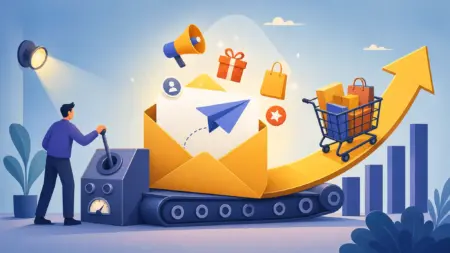
We’ve all been there: you open your email in the morning and your inbox is packed with all kinds of messages. A whole pile of them from websites and brands that have either sent you some news or dropped a tempting offer in front of you. These messages are what we call email marketing, and contrary to what a lot of people think, it’s not some old or outdated method at all. If anything, it’s still one of the cheapest and most profitable ways to increase sales.
The important thing is that email marketing isn’t just one single type. Depending on whether you want to introduce your brand to people, teach them something, or directly nudge them toward buying, you’ll reach for different kinds of emails. In this article, we’re going to walk through the ideas out there for email marketing and what each one is actually good for. But before that, let’s start with a simple definition.
Table of Contents
What Is Email Marketing?
Email marketing, in really simple terms, means staying in touch with your users through email — whether that’s to attract new customers or to keep your relationship with existing ones nice and warm. That’s it.
But it has one feature that makes it genuinely important. In a lot of advertising methods, you’re pushing your message to someone who doesn’t know you at all and might not have the slightest interest in you. With email marketing, though, everyone on your list handed over their email address willingly and gladly. That means you’re one step ahead right from the start — you’re talking to people who actually wanted to hear from you.
The Benefits of Email Marketing
These days almost all of us are online, and a big share of those people check their email every single day. That’s exactly what keeps email one of the best channels for reaching your audience. Its main advantages can be summed up like this:
- Low cost compared to other methods: with a small budget, you can reach a large number of people.
- Higher sales: when it’s done right, it has a direct impact on your sales.
- A better connection with your audience: you can talk to customers directly and personally.
- More traffic for your site: every email is a chance to bring your audience back to your website.
- Flexibility: from a newsletter to a special offer, you can send just about any kind of message with it.
Alright — now that we understand what email marketing is and why it’s so cost-effective, let’s get to the heart of it and see what ideas you can actually put into practice.
Types and Ideas for Email Marketing to Boost Sales
Before anything else, you should know that email marketing isn’t only about direct selling. If all you do is send promotional emails, you’ll wear your audience out pretty fast. The secret to success is knowing where to use which kind of email. That’s why we’ve sorted these ideas into two groups: first, the emails whose job is to introduce your brand and keep your audience engaged, and then the ones that more directly lead you to a sale.
Group One: Emails for Onboarding, Awareness, and Engagement
This group sets the stage. Its job is to get your audience familiar with your brand, give them information, and keep the relationship alive so that when it’s time to buy, they recognize you as a familiar, trustworthy option.
Welcome Emails
The first email someone gets from you after signing up is far more important than you’d think. It’s that first impression — and you know a first chance only comes once. So your welcome email needs to be engaging enough to be worth reading and to stick in your audience’s mind.
A great way to show right from the start that the customer matters to you is to give them a small perk when they sign up — a discount code, a free tutorial, or something along those lines. It leaves your audience with a good feeling and kicks off the relationship on a note of appreciation.
Educational Emails
Some of your audience might know your brand but not have much information about your products and what you do. This is where educational emails come in handy. With these emails, you can teach them what your products are, how to use them, and how they actually make their lives better.
This kind of email gives your audience a sense of awareness. When someone knows exactly what buying from you does for them, the chances of them turning from a casual reader into a buyer go way up.
Newsletter Emails
Newsletters are the emails that keep your audience in the loop on your latest news, discounts, and offers. But there’s an important point here: the content of your newsletter has to be genuinely appealing to the reader — it should either teach them something new or entertain them.
If your newsletter is boring, you’ll quickly see people unsubscribing. So when you send a newsletter, be careful not to sacrifice quality for quantity.
Survey Emails
If you want to know what your audience really wants, the best thing to do is ask them. That’s exactly what a survey email is for. It’s usually sent in the first few weeks after sign-up and asks your audience to answer a few questions about your products, services, and business.
Just watch out for two things: the questions shouldn’t be so long that they tire the user out, but they should be complete enough to get you what you’re after. A good move is to offer a small perk to encourage people to respond. And once you’ve gathered the answers, you can sit down and analyze them to pinpoint your strengths and weaknesses.
Request Emails (Reviews and Feedback)
With this type of email, you can ask your audience to leave feedback — for example, posting a positive review on your site or writing about you on other sites. It might sound simple, but the reviews users leave about your products and services are truly valuable.
People trust other people’s experiences. That’s why this kind of email has a high payoff and can go a long way toward attracting new customers.
Co-Marketing Emails
Co-marketing is when two or more companies whose work complements each other join forces and run a project, event, or advertising campaign together. The main goal is that you get to tap into another company’s audience to grow your own business, and they do the same.
Group Two: Emails for Selling, Converting, and Retaining Customers
Now we get to the group that goes after sales more directly. These emails focus on turning your audience into buyers, and then holding on to those customers and turning them into loyal ones.
Discount and Special Offer Emails
These are some of the most effective marketing emails out there — the ones that really push your audience toward buying. Special discounts, product sales with particular terms, and tempting offers all fall into this category.
A good trick is to use these emails to make your customer feel special, like they’re a VIP. The main goal of these emails is the sale, but if you write them well, your audience won’t just buy — they’ll also encourage others to buy from you.
New Product and Service Announcement Emails
Whenever you’ve got a new product or service ready, the first people who should hear about it are the folks on your email list. That sense of being special is a perk in itself.
Get a little creative when writing these emails. Lines like “Be the first to see it” or “A stunning offer for people with great taste” can spark your audience’s curiosity and nudge them toward checking out your new product.
Abandoned Cart Reminder Emails
Plenty of times a customer drops a product into their cart but, for one reason or another, never finalizes the purchase. If your site has a tool that detects these abandoned carts, you can send a simple email reminding the customer that their purchase was left half-finished.
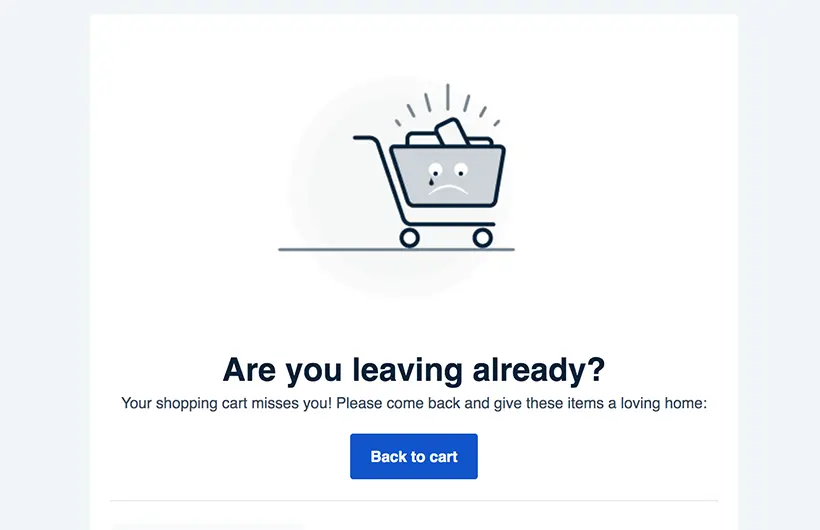
This kind of email is genuinely effective, because it’s bringing back someone who had already come within a step of buying. In other words, with the least effort you can revive a sale that was as good as lost.
Time-Sensitive Emails
These are the emails that create a good kind of urgency in your audience. When you put a limited time on a product’s sale, the customer is more inclined to make the purchase before the window closes.
People don’t like missing out on a good opportunity, and that’s exactly what makes this kind of email so powerful at converting your audience into buyers — and it boosts engagement too.
Gift Emails
Sending a small gift through email really strengthens the relationship between you and your customer. Don’t underestimate the effect of this; giving a gift spreads a good feeling, and a customer who’s received one becomes more loyal — and by telling others about it, brings you new customers too.
The gift doesn’t have to be something expensive, either. It could be a free e-book, part of a video tutorial, or, say, if a customer buys five books, you throw in the sixth as a gift.
Anniversary Emails
This is another lovely way to show appreciation for your loyal customers. You can congratulate someone on the anniversary of joining your list. For example: “Dear customer, congratulations on your second year with us — thank you for being with us.” That one simple sentence leaves the customer feeling good and shows them that you remember them.
Thank-You Emails
What gives a business life is good customer service and earning people’s trust. A thank-you email gives the customer exactly that sense of being valued.
The best approach is to personalize these emails and, alongside your thanks, tuck in a small offer — a discount or free shipping on their next purchase, for instance. That way you’ve both said thank you and set the stage for another sale.
Confirmation Emails
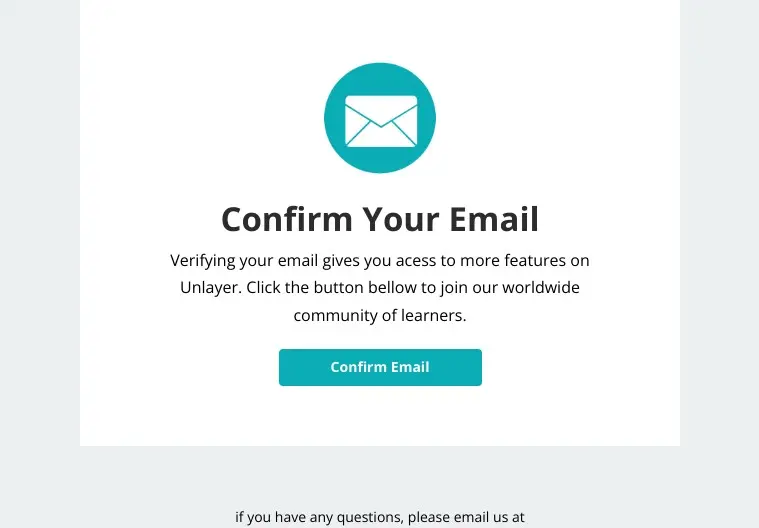
This type of email is more important than you might think. People like getting a confirmation email from you so they know where things stand — like a purchase confirmation or an order shipment confirmation. These emails seem simple, but they give your audience a sense of reassurance and help build a better image of your brand in their mind.
Reminder or Reorder Emails
If you have a product that customers reorder every so often, or a subscription service that needs renewing, this email comes in handy. Just send a timely reminder letting the customer know it’s time to reorder or renew. You’ve both helped the customer not forget something and logged another sale.
Conclusion
Email marketing is a low-cost yet highly practical tool that lets business owners reach more customers and, ultimately, boost their sales. The key point is that there isn’t just one kind of email; by combining onboarding emails and sales emails in the right way, you can both attract your audience and hold on to them.
If you want to get your email marketing off to a more professional start, we’d suggest also reading the article on bulk email sending services — they’ll help you put these ideas into practice more easily. Wishing you all the best. 🙂

Ahura WordPress Theme
The Power to Change EverythingElementor Page Builder
The most powerful WordPress page builder with 100+ exclusive custom elements.
Incredible Performance
With Ahura’s smart modular loading technology, files load only when they are truly needed.
SEO Optimized for Google
Every line of code is carefully aligned with Google’s algorithms and best practices.
To post a comment, please register or log in first.