
 Tutorials


 Ahura
Ahura Plugins
 Blog
BlogWhat’s the Difference Between a Web Designer and a Web Developer?
- Tutorials
- Updated on
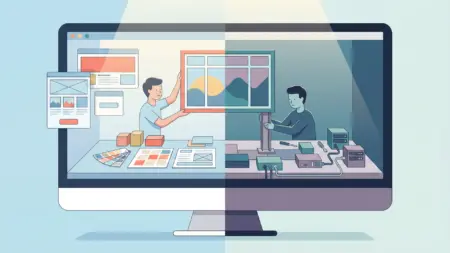
In this video, we explore the fundamental differences between a Web Designer and a Web Developer to help you choose the right career path. We’ll talk about the skills required for each role, job market conditions, and the career opportunities available in both fields. If you’re still unsure which direction suits you better, watching this video can give you a clearer perspective before stepping into the exciting world of web design and development.
Table of Contents
Understanding the Difference Between a Web Designer and a Web Developer
Many people who want to enter the world of website creation often find themselves confused between two common job titles: Web Designer and Web Developer. Questions like how these roles differ, what skills each one requires, or which path leads to better career opportunities are very common. In this article, we take a closer look at the core differences between Web Designers and Web Developers so you can make a more informed decision about your future path.
In the following sections, we’ll discuss the required skills, job market outlook, and professional opportunities for each role. If you’re still undecided about which field aligns better with your interests and strengths, this article will help you move forward with more confidence.
Why Is It Important to Know the Difference?
Many people assume that a Web Designer and a Web Developer are the same thing, but in reality, they are quite different. Understanding the distinction is crucial if you’re planning to work in this field, because it helps you choose a career path that truly matches your personality and skills. Even if you’re not looking for a job and simply want to build a website, knowing the difference helps you understand who you actually need to work with.
Some people want to create a website but don’t know whether they should hire a designer or a developer. Others want to start a career in this industry but feel lost when choosing between these two roles. For example, someone might be highly creative and visually oriented, yet choose a development-focused path and later feel frustrated or unfulfilled.
Making the wrong choice can slow down professional growth and lead to dissatisfaction in the long run. By clearly understanding the difference between these roles, you’ll not only make better career decisions, but you’ll also know exactly who to collaborate with when working on a website project.
The Core Differences Between Web Designers and Web Developers
When it comes to building a website, two key roles usually play a major part in the process. One focuses on how the website looks and feels, shaping the visual appearance and ensuring it is attractive and user-friendly. The other works behind the scenes, writing code to make sure everything functions correctly and smoothly.
Although these roles are closely connected, their responsibilities and skill sets are quite different.
Differences in Responsibilities
One of the most important distinctions between a Web Designer and a Web Developer lies in their responsibilities. Each role focuses on different aspects of a website, and therefore requires a different set of skills and ways of thinking.
Here, we’re talking about responsibilities as they exist in professional and well-structured teams, not small projects where one person may handle everything. Understanding these professional roles will help you better recognize where your interests fit and what kind of work you’ll be doing on a daily basis.
Who Is a Web Designer?
A Web Designer is responsible for the visual appearance and overall feel of a website. Their goal is to create a positive first impression and ensure that users can easily navigate and interact with the site. This includes decisions about colors, fonts, layouts, spacing, buttons, and visual hierarchy.

A Web Designer understands how a website’s structure should be organized. For example, they decide background colors, text contrast, button styles, and consistent typography across pages. On landing pages, they carefully choose layouts and color schemes that guide the user’s attention and communicate the brand’s message clearly. All of these decisions are made to create a cohesive and professional visual experience.
However, web design is not just about aesthetics. A good Web Designer also understands how users interact with a website. They know where to place buttons so they’re easy to find, how color choices can influence user behavior, and how layout decisions affect readability and engagement. This part of the job is known as UI and UX design.
What Is UI Design?
User Interface (UI) design focuses on how a website looks. It includes visual elements such as colors, typography, icons, images, and overall layout. When you visit a website and immediately feel that it looks clean, modern, and well-organized, that’s usually the result of strong UI design.
What Is UX Design?
User Experience (UX) design focuses on how a website works from the user’s perspective. The goal is to make sure users have a smooth, intuitive, and enjoyable experience while navigating the site. A good UX helps users reach their goals quickly and without confusion, whether that means finding information, signing up, or making a purchase.
What Does a Web Designer Do?
In practice, a Web Designer mainly works on the visual and interactive aspects of a website. They focus on everything the user sees and interacts with, making sure the site is visually appealing, easy to use, and aligned with the brand’s identity.
Some Web Designers also have basic coding skills and are familiar with HTML, CSS, and sometimes a bit of JavaScript. This allows them to implement their designs more effectively. However, their primary focus remains on design quality and user experience rather than complex programming.
If we compare a website to a house, the Web Designer is like the architect and interior designer. They define the overall structure, style, and atmosphere, ensuring that everything looks good, feels comfortable, and works well for the people using it.
Who Is a Web Developer?
A Web Developer is responsible for building and maintaining the technical foundation of a website. In simple terms, while a Web Designer focuses on how a website looks, a Web Developer is the person who makes sure everything actually works.
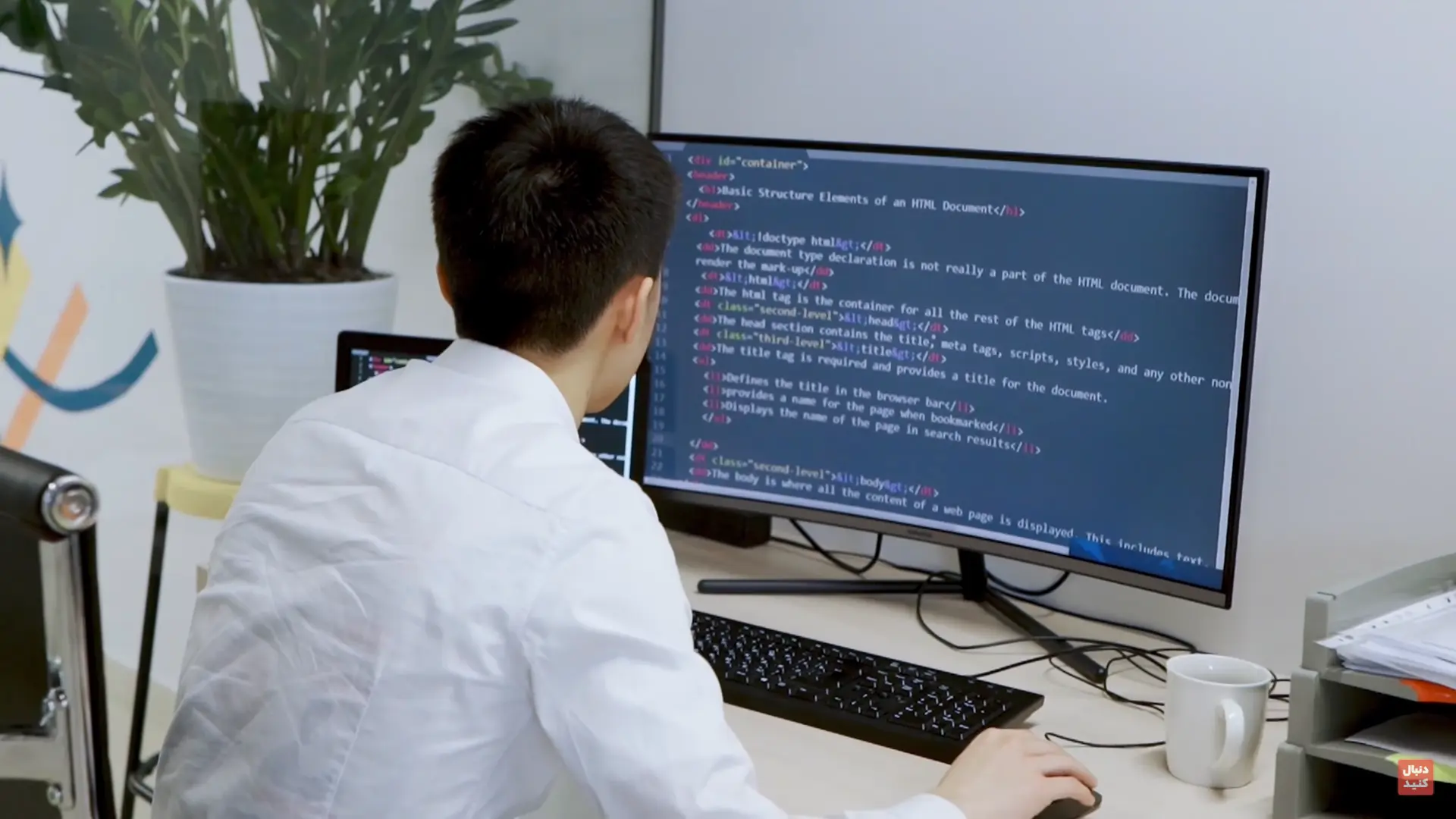
Web Developers turn ideas and designs into functional systems. They ensure that a website runs smoothly, responds correctly to user actions, and performs reliably across different devices and browsers. Without a developer, even the most beautiful design would remain static and unusable.
What Does a Web Developer Do?
A Web Developer writes the code that makes things happen. When a user clicks a button, submits a form, logs into an account, or completes a purchase, it’s the developer’s code that processes those actions behind the scenes.
Their work goes far beyond simple websites. Web Developers often build complex platforms such as e-commerce stores, social networks, dashboards, and full-scale web applications. They ensure that data is stored correctly, errors are handled properly, and the website remains stable and secure under different conditions.
When everything works seamlessly—forms save information correctly, pages load without errors, and users don’t encounter technical issues—that’s usually the result of solid development work. Designers and developers work closely together so that a website is not only visually appealing, but also technically reliable.
If we compare a website to a car, the Web Designer is responsible for the exterior design and interior comfort, while the Web Developer builds the engine and internal systems that make the car run smoothly.
Types of Web Developers
Web Developers generally specialize in different areas of development, depending on which part of the website they work on.
A Front-End Developer focuses on the parts of the website that users directly interact with. They turn visual designs into real, interactive pages using technologies like HTML, CSS, and JavaScript. Their goal is to make sure the website looks and behaves exactly as intended on different screen sizes and devices.
A Back-End Developer works behind the scenes and handles the server, database, and core logic of the website. For example, when a user logs into an account, the back-end developer’s code verifies login credentials, manages user data, and controls access. Back-end development often involves technologies such as Python, PHP, Node.js, Java, or similar server-side languages.
Some professionals are Full-Stack Developers, meaning they have experience with both front-end and back-end development. These developers can build a complete website or application from start to finish and understand how all parts of the system connect.
Differences in Personality and Mindset
Web Designers and Web Developers often differ not only in skills, but also in personality and way of thinking.
Web Designers tend to be more creative and visually oriented. They enjoy working with colors, layouts, typography, and visual composition. Their focus is on aesthetics, user emotions, and creating engaging experiences. They usually work within existing systems and use creativity to bring ideas to life visually.
Web Developers, on the other hand, are more focused on problem-solving and logical thinking. They enjoy analyzing issues, fixing bugs, and building systems that work efficiently. Developers may spend hours—or even days—debugging a single problem until everything functions correctly. They are comfortable working with abstract logic, complex code, and technical challenges.
While designers express creativity through visuals, developers express it through solutions.
Should You Become a Web Designer or a Web Developer?
Choosing between web design and web development depends entirely on your interests, personality, and the way you enjoy working.
If you enjoy logical thinking, solving puzzles, understanding how systems work behind the scenes, and dealing with technical challenges, web development may be a better fit for you. This path requires patience, attention to detail, and a willingness to constantly learn, as technologies evolve quickly and developers need to stay up to date.
If you enjoy creativity, visual design, and working with colors, layouts, and aesthetics, web design might suit you better. This role leans more toward art and visual communication, and requires an understanding of user behavior and emotional responses. People with an interest in art, design, and visual storytelling often find web design deeply satisfying.
A practical approach is to try both paths. Spend some time learning basic design principles using tools like Figma, and experiment with HTML and CSS. Then try writing simple scripts and understanding how websites function technically. Pay attention to which activities make you feel more engaged and motivated. The right choice is usually the one where you lose track of time while working.
Income Differences Between Web Designers and Web Developers
From a global perspective, Web Developers—especially Full-Stack Developers—often have higher earning potential due to the technical nature of their work and strong market demand. However, this does not mean Web Designers cannot earn well.
Highly skilled Web Designers who build a strong personal brand, specialize in UX/UI, and create unique, high-quality work can also achieve excellent income levels. In both fields, expertise and professionalism matter far more than job titles alone.

On average worldwide, Web Developers tend to earn higher salaries, commonly ranging from approximately 60,000 to 120,000 USD per year, depending on experience, specialization, and location. Web Designers typically earn between around 25,000 and 80,000 USD annually, with variations based on skill level and market.

That said, these numbers are general global averages, not strict rules. A talented designer who presents their work well and delivers exceptional value can earn more than a developer. The world needs both Web Designers and Web Developers, and there is strong demand for both roles.
In most cases, Web Developers earn more because their work is more technical and often harder to replace. But with the right skills, mindset, and consistency, both career paths can be financially rewarding.
How Do Web Designers and Web Developers Work Together?
To better understand how Web Designers and Web Developers interact, let’s look at a simple example outside the world of websites.

Imagine designing a creative studio. As a designer, you decide that a gray wall would look great in the background, a green cabinet should be placed in the corner, and a plant would add life to the desk. You also decide where the desk should go and how the space should feel overall. However, you’re not the person who actually builds the cabinet, paints the wall, or manufactures the plant.

Instead, you communicate your vision to specialists. One person builds the green cabinet, another prepares the plant, and someone else paints the wall. When everything is ready, you arrange these elements together and bring your original idea to life.
This is exactly how the relationship between a Web Designer and a Web Developer works. The Web Developer creates the technical building blocks and infrastructure, and the Web Designer uses those components to shape the final experience.
A Practical Example from Web Design
If you are a Web Designer building a website using a content management system like WordPress, you will likely use visual tools and page builders such as Elementor. The people who developed Elementor and made it possible to visually design pages without writing complex code are Web Developers.
You, as a designer, use that tool to create layouts, choose colors, adjust spacing, and shape the user experience. In this process, you are focusing on design, while the heavy technical work has already been handled by developers.
The same applies to WordPress itself. WordPress was created by Web Developers to simplify website creation and make it accessible to designers and content creators. Developers build themes and frameworks that provide structure and functionality, and designers use them to craft visually appealing websites.
If you use a ready-made theme or a membership and login plugin, the developers who built those tools are Web Developers. You, as the person configuring and visually customizing them, are acting as a Web Designer.
Where Each Role Makes a Difference
When you visit a website and everything looks well-organized, visually balanced, and pleasant to use, that’s usually a sign that the Web Designer has done their job well.
On the other hand, if you click a login button and encounter an error, or a form fails to submit correctly, that’s a technical issue. In such cases, the problem lies in the development layer, meaning the Web Developer needs to fix the underlying functionality.
When forms work correctly, data is saved properly, and the website performs smoothly without technical issues, that’s a clear sign that the Web Developer has done their job right.
In short, designers and developers complement each other. One focuses on clarity, beauty, and usability, while the other ensures stability, performance, and reliability.
Do Web Designers Have a Future in the Age of AI?
A common concern among beginners is whether artificial intelligence will replace Web Designers. The short answer is no—at least not anytime soon.
AI tools can assist with repetitive tasks, generate layouts, or speed up certain parts of the workflow, but they cannot replace human creativity, taste, empathy, and deep understanding of user behavior. Design is not just about arranging elements on a screen; it’s about understanding people, emotions, and context.
Instead of replacing designers, AI is becoming a powerful assistant that helps professionals work faster and more efficiently. Designers who learn how to use these tools wisely will have a strong advantage in the future.
Final Thoughts
No matter which path you choose—Web Design or Web Development—I hope you find success and fulfillment in your journey. The goal is to reach a point where, when someone reviews your portfolio or resume, they think, “This is exactly the person we’ve been looking for.”
If you’re planning to enter the world of website creation and build a sustainable income from it, understanding the difference between these two roles is essential. Both paths are valuable, both are in demand, and both offer exciting opportunities for growth.
Stay curious, keep learning, and move forward with confidence. Good Luck! 🙂
Ahura WordPress Theme
The Power to Change EverythingElementor Page Builder
The most powerful WordPress page builder with 100+ exclusive custom elements.
Incredible Performance
With Ahura’s smart modular loading technology, files load only when they are truly needed.
SEO Optimized for Google
Every line of code is carefully aligned with Google’s algorithms and best practices.
To post a comment, please register or log in first.