
 Tutorials


 Ahura
Ahura Plugins

 Blog
BlogWhat Is a Startup and How to Build a Successful One?
- Tutorials
- Updated on
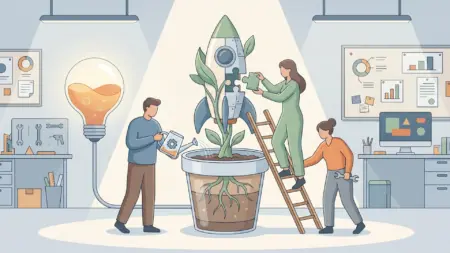
Hey there! So you’ve been hearing the word “startup” everywhere lately, right? But let’s be honest—what does it actually mean? Is every online business a startup? And more importantly, how on earth do you actually build one that works?
In this article, I’m going to walk you through the world of startups in a way that actually makes sense. No confusing jargon. No academic nonsense. Just real, practical advice. I’ll share stories from three hugely successful international startups that started just as small and fragile as your idea probably feels right now. If you’re thinking about launching your own thing or you’ve got a creative idea burning a hole in your pocket, this guide is for you. Let’s dive in.
Table of Contents
What Is a Startup, Really? (And No, It’s Not Just a Small Business)
Let me give you a simple definition first. The word “startup” literally means a new business. But here’s the thing—not every new business is a startup. The real magic is in two things: a creative idea and the ability to grow fast.
Think of it this way. Imagine you open a small bakery in your neighborhood. That’s a regular business, not a startup. It’s lovely, but it’s not changing the world. Now imagine you build an app that lets people order fresh bread from local bakeries and get it delivered to their door in under twenty minutes. You partner with fifty bakeries across the city, and suddenly thousands of people are using your service every single day. That’s a startup.
Regular businesses usually start with personal savings and grow slowly, one customer at a time. Startups, on the other hand, often raise money from investors and aim for explosive growth. A regular business competes in an existing market. A startup tries to change how people behave and create a whole new market. See the difference?
Three Amazing Startup Stories That Will Inspire You
Let me tell you about three companies that started from almost nothing and became giants. These stories will give you a real feel for what a startup actually is.
Airbnb: From an Air Mattress to a Billion-Dollar Empire
This is one of my favorite stories. Back in 2007, two guys named Brian Chesky and Joe Gebbia were living in San Francisco. They couldn’t afford their rent. I know, sounds crazy now, right? A design conference was coming to town, and every hotel was fully booked. So they saw a tiny opportunity. They bought three air mattresses, put them on their living room floor, and built a simple website called “Air Bed and Breakfast.” They hosted three guests that weekend and made enough money to pay their rent.

That was it. That was the beginning of Airbnb. Today, it’s worth tens of billions of dollars with millions of listings all over the world. The idea wasn’t complicated at all. People had extra space in their homes, and travelers wanted affordable, interesting places to stay. Airbnb just connected them.
The lesson? You don’t need a perfect product on day one. Brian and Joe started with a basic website and three air mattresses. They listened to their users, improved constantly, and refused to give up even when investors told them the idea was terrible.
Uber: Solving a Frustration We All Know Too Well

In 2008, two guys named Travis Kalanick and Garrett Camp were at a conference in Paris. It was a snowy winter night, and they could not find a taxi anywhere. Sound familiar? We’ve all been there. That frustrating night sparked an idea. What if you could request a ride with just a tap on your phone? What if you could see exactly where your driver was and know exactly when they’d arrive? What if you didn’t have to fumble for cash at the end?
That idea became Uber. Before Uber, getting a taxi was a nightmare in most cities. You stood on a street corner and hoped an empty cab would pass by. Or you called a dispatch number and waited twenty minutes, wondering if anyone would actually show up. Uber changed everything by using GPS to connect riders with nearby drivers instantly.
Like Airbnb, Uber faced huge resistance. Taxi companies protested. Cities tried to ban them. But the founders kept going because they knew they were solving a real problem. Today, Uber is in hundreds of cities worldwide.
The lesson? The best business ideas often come from everyday frustrations. If something in your life feels broken or annoying, chances are millions of other people feel exactly the same way. That gap between frustration and solution is where startups are born.
Dropbox: Solving a Problem You Didn’t Even Know You Had
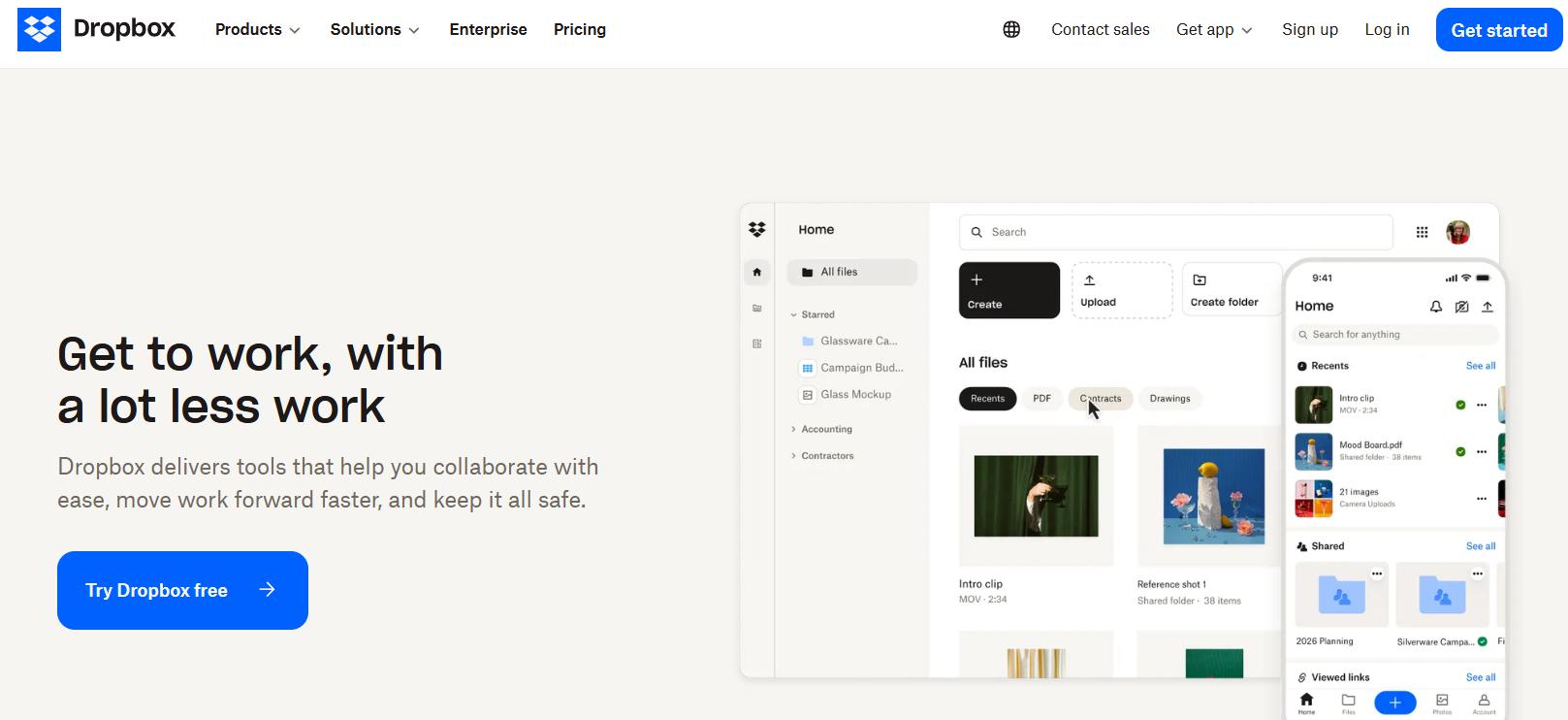
Here’s another great story. In 2007, a college student named Drew Houston kept forgetting his USB drive. He’d work on a file at his computer, save it to a flash drive, carry it to class, and then realize he’d left the drive at home. He thought to himself, “Why is this so hard? Files should just sync automatically across all my devices.”
So he built a simple prototype and showed it to a few friends. They loved it. Then he made a short video demonstrating how Dropbox worked and posted it on a tech forum. Overnight, hundreds of thousands of people signed up for the waiting list. They didn’t even have a product ready yet. People just watched the video and said, “I need this.”
What made Dropbox special wasn’t crazy new technology. Other file-syncing tools existed. The difference was simplicity. Dropbox just worked. You installed it, put files in a folder, and they magically appeared on all your other devices. No complicated setup. No confusing options. Just seamless.
The lesson? You don’t always need a brand new invention. Sometimes you just need to take an existing idea and make it ten times easier to use. People don’t buy products. They buy better versions of themselves.
How Startups Raise Money (And Why They Need It)
You’ve probably heard the word “fundraising” a lot. But what does it actually mean? And why do startups need outside money in the first place? A regular small business can grow slowly using its own revenue. But a startup wants to grow fast, really fast. And fast growth costs money. You need to hire developers, run marketing campaigns, and expand into new markets before your revenue catches up. Startup funding usually happens in stages. Let me break it down for you.
The first stage is called the seed stage. At this point, you have an idea and maybe a rough prototype. You might raise money from friends, family, or early investors called angel investors. That seed money helps you build the first working version of your product and test it with real users.
If people actually want what you’re building, you might raise a Series A round. By now, you have users, revenue, and data. Series A funding helps you grow your team, improve your product, and get more customers.
Later stages like Series B and C are about rapid expansion. At this point, your startup has proven itself and is ready to grow aggressively—maybe into new cities or even new countries. Big venture capital firms write large checks, and the goal is to capture as much market share as possible before competitors catch up.
Airbnb, Uber, and Dropbox all went through these exact stages. None of them were profitable in their early years. They focused on growth first, trusting that profits would come later once they had captured the market.
Why Most Startups Fail (And What You Can Learn)
Here’s a hard truth that a lot of people don’t want to hear. More than ninety percent of startups fail within their first five years. Yes, you read that right. Only about one in ten startups actually makes it. So why does this happen? Let me tell you the most common reasons.
The number one reason is building something nobody wants. A founder falls in love with their idea, spends months building it in secret, and then launches to complete silence. No one signs up. No one pays. The problem they were trying to solve just didn’t exist, or it existed in a different way than they assumed.
The second biggest reason is running out of money. Even a good idea takes time to become profitable. If you burn through your cash before reaching that point, your startup dies. That’s why smart founders raise enough money to survive longer than they expect, and they keep their expenses painfully low in the early days.
The third reason is team problems. A startup needs different skills to succeed. You need someone who can build the product, someone who can sell it, and someone who can handle the money and operations. If one person tries to do everything, or if the founders don’t get along, things fall apart.
Here’s the good news, though. Every successful startup has faced these same dangers. Airbnb almost went bankrupt multiple times. Uber fought legal battles everywhere. Dropbox faced huge competition from Google, Microsoft, and Apple. The difference between the winners and the losers isn’t luck. It’s persistence, learning from mistakes, and refusing to give up.
How to Actually Launch a Successful Startup
If you’ve read this far and you’re still excited about starting your own thing, then let me share some real, practical advice. These are lessons I’ve learned from watching successful founders and studying what actually works.
Build the Right Team
No successful startup was built by one person alone. You need two or three co-founders with different but complementary skills. Someone should be technical—able to build the product or at least understand development. Someone should be good at sales and marketing and understanding customers. Someone should handle operations and finances. If your team is missing one of these skills, you will struggle. Plain and simple.
Find Someone Who’s Done It Before
You don’t know everything. No one does. Finding a mentor who has already walked the startup path can save you from so many mistakes. A good mentor doesn’t just give advice. They ask hard questions, challenge your assumptions, and keep you honest. Look for a successful entrepreneur in your industry, or join an accelerator program that provides mentorship.
Talk to Customers Before You Build Anything
This is huge. The most common mistake first-time founders make is falling in love with their solution before understanding the problem. They spend months building a product in isolation, and then go looking for customers. Smart founders do the opposite. They talk to potential customers first. They ask about frustrations, needs, and current workarounds. Only after they deeply understand the problem do they start building. Please don’t skip this step.
Write a Simple Business Plan
A business plan isn’t just for raising money. It’s for you. Writing one forces you to think through every part of your business. What problem are you solving? What’s your solution? Who are your customers? How will you reach them? Who are your competitors? How will you make money? Do not skip this just because it feels like homework. It’s one of the most valuable things you can do.
Be Smart With Money
So many promising startups fail not because their product was bad, but because they ran out of cash. Learn to manage your money from day one. Keep your expenses as low as possible for as long as possible. Don’t rent a fancy office. Don’t hire unnecessary people. Don’t spend money on things that don’t directly help you learn about customers or improve your product. Every dollar you save is time you can spend finding out if your idea actually works.
Build Real Relationships With Your Users
A startup is not just a technical product. It’s a relationship with your users. Talk to your customers constantly. Ask for feedback. Show them you’re listening by improving the product based on what they tell you. When users feel heard and valued, they become loyal fans who will defend your brand and bring you new customers. Your users are your greatest asset. Treat them like it.
Pick a Good Name and Brand
Your startup’s name should be memorable, easy to say, and somehow related to what you do. Avoid weird spellings or complicated words that people will forget. Beyond the name, invest in branding. Your brand isn’t just a logo. It’s the feeling people get when they interact with your company. It’s the promise you make and keep. A strong brand builds trust, and trust is everything.
Does a Startup Have to Be Online?
Fair question. Lots of people think startups have to be internet companies. That’s not entirely true. A startup can exist in any industry—farming, food, transportation, healthcare, education, energy. All of these have seen successful startups.
But here’s the reality. Most successful modern startups use the internet as their main platform. Why? Because the internet lets you reach millions of potential customers at very low cost. It lets you grow fast without building physical infrastructure. It lets you test ideas quickly and learn from real user behavior. If your idea can become an online platform or service, your chances of success go way up.
Frequently Asked Questions
What’s the real difference between a startup and a small business?
A small business is designed to create steady income for its owner, usually in an existing market with predictable competition. A startup is designed to grow really fast by solving a problem in a new way, often creating a whole new market. Startups usually seek outside investment and care more about growth than immediate profit.
Do I need to be a programmer to start a startup?
Not necessarily. But you do need access to technical skills. You can find a technical co-founder, hire developers, or outsource the initial build. What matters more than technical skills is understanding your customers deeply and being able to sell your vision.
How much money do I need to start?
Way less than you think. So many successful startups started with almost nothing. Airbnb was funded by selling novelty cereal boxes. Dropbox started with a simple video. Focus on building a tiny version of your product first, get it in front of users, and only raise money when you have evidence that people actually want what you’re building.
How do I know if my idea is actually good?
Talk to potential customers. And here’s a tip—don’t ask them “Would you buy this?” because people often say yes to be nice. Instead, ask about their current frustrations. Ask what they’ve tried to solve those problems. Ask what they would do if your product didn’t exist. The best ideas are the ones where people tell you, without you even asking, that they’ve been desperately waiting for a solution.
What’s the number one reason startups fail?
Building something nobody wants. Everything else—running out of money, team problems, competition—is usually just a symptom of that. If you build something people truly need, they will forgive a bad design, a slow website, and lots of other flaws. If you build something nobody needs, nothing else will save you.
Do I really need a business plan before I start?
Yes, but keep it simple. A short document that clearly explains your problem, solution, target customers, business model, and competition is plenty. The act of writing it forces you to think through assumptions that might otherwise stay hidden.
How long does it take to build a successful startup?
Usually five to ten years. No joke. Airbnb took about nine years to become profitable. Uber lost money for over a decade. Successful founders are patient. They understand that building something meaningful takes time. If you’re looking for quick money, a startup probably isn’t the right path for you.
Final Thoughts (From Someone Who’s Been There)
Look, here’s what I really want you to take away from all of this. A startup is about courage. It’s about seeing opportunities that other people miss. It’s about building a better future with creative ideas. Airbnb, Uber, and Dropbox all started as small, fragile thoughts in the minds of founders who refused to give up. They proved that with determination, the right team, and a deep understanding of what people actually need, you can build something amazing from almost nothing.
But I also need to be honest with you. The startup path is full of ups and downs. Ninety percent of startups fail. But the ten percent that succeed often change the world. If you’re thinking about launching your own startup, start today. Find one or two people who share your vision. Talk to potential customers and really listen. Build the simplest possible version of your product. Then make it better every single day.
I really hope this article has given you a clearer picture of what startups are and how successful ones are built. Good luck on your journey. I’m rooting for you.

Ahura WordPress Theme
The Power to Change EverythingElementor Page Builder
The most powerful WordPress page builder with 100+ exclusive custom elements.
Incredible Performance
With Ahura’s smart modular loading technology, files load only when they are truly needed.
SEO Optimized for Google
Every line of code is carefully aligned with Google’s algorithms and best practices.
To post a comment, please register or log in first.