 Tutorials


 Ahura
Ahura Plugins

 Blog
BlogMaking Money with Web Design and Freelancing
- Tutorials
- Updated on
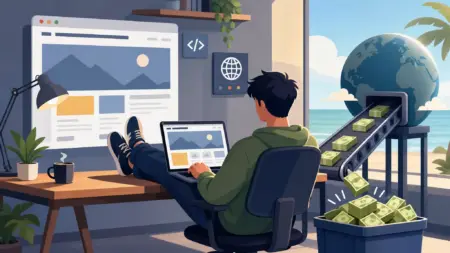
If you look around, you’ll notice that over the past couple of years online selling has really taken off, and almost every business — small or large — wants a website of its own. In other words, the market for this profession is genuinely hot right now, and if you have the skills, you can earn a solid income from it fairly easily.
On top of that, the growing interest of business owners in digital marketing, combined with how easily everyone can access the internet, has pushed the demand for web design higher and higher. So as a professional web designer, you’ve got a great opportunity in front of you — you just need to know where to start.
Table of Contents
Making Money from Web Design
Online businesses need a proper website so they can reach more customers across different areas and grow their sales. And that’s exactly where you come into the picture.
Of course, keep in mind that a web designer’s job isn’t only about estimating the cost of a corporate, e-commerce, or personal website. You also need a reasonable grasp of a few other things — like the look of the site’s theme, loading speed, SEO, and even content creation. Once you’ve got these down, you can deliver a clean, polished project to your client and rest assured they’ll come back to you again.
What Skills Do You Need to Land Web Design Projects?
Before we get into the methods for landing projects, let’s take a look at the skills every web designer should have:
- Familiarity with page builders
- Basic knowledge of graphic design
- Awareness of up-to-date designs for different types of sites
- Working with plugins and widgets
- Negotiation and communication skills for attracting clients
- Marketing ability
- Writing and editing website content
- Solving website coding problems
- Updating websites
- Defining a site’s technical requirements
- Creating backup files
You don’t have to be a master of all of these right from day one, but the more you work on these skills, the better and more lucrative the projects you’ll land.
Don’t Underestimate the Income Potential!
Web design is one of the higher-paying jobs in the IT field, and your income depends directly on the number of projects you take on and the quality of your work. But here’s an important point: if you want to be a freelancer and work independently, without being tied to any company or brand, earning clients’ trust becomes a bit harder. You’ll need to put in more effort and build up a strong portfolio of work to show off in your résumé.
A freelance web designer needs a “virtual office” — a place to showcase their portfolio and tutorials and, most importantly, to land projects from. This virtual office could be a personal website, an Instagram page, a LinkedIn profile, a Facebook page, an X (Twitter) account, or even a profile on freelancing platforms. So let’s take a look at how you can land web design projects using these channels.
Landing Projects from Freelancing Sites
Beyond your personal website, you can also use freelancing platforms to land projects. On these sites, freelancers and clients connect with each other easily. Let’s go over some of the best-known freelancing platforms.
Upwork
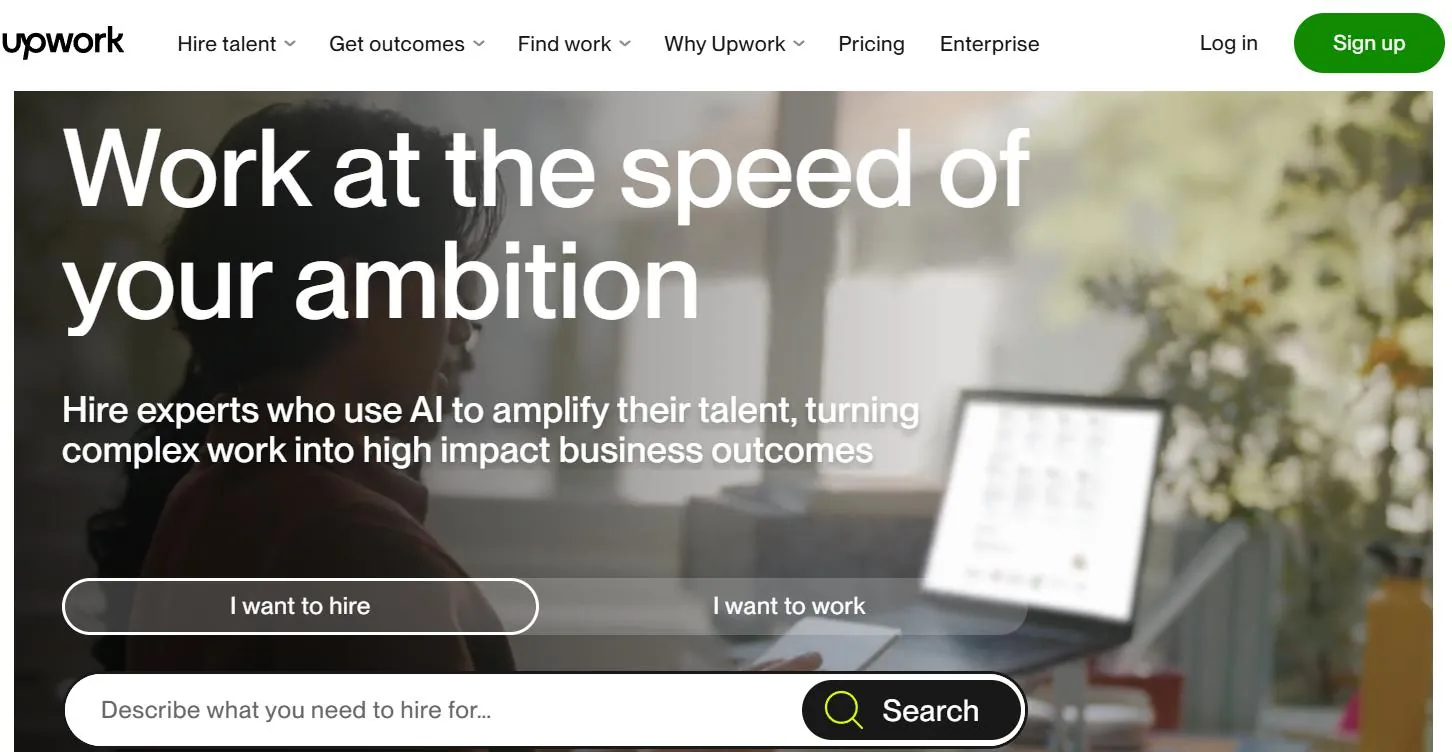
Upwork is one of the largest freelancing platforms in the world and a great option to sign up for if you want to land web design projects. It’s popular among both freelancers and clients for two main reasons: first, there are tons of skilled professionals active on it, and second, it has a secure payment system.
A handy tip: Upwork has a mobile app too. If you enable its notifications on your phone, you’ll be alerted the moment a new project is posted, so you can review it and submit your proposal faster than everyone else.
Freelancer
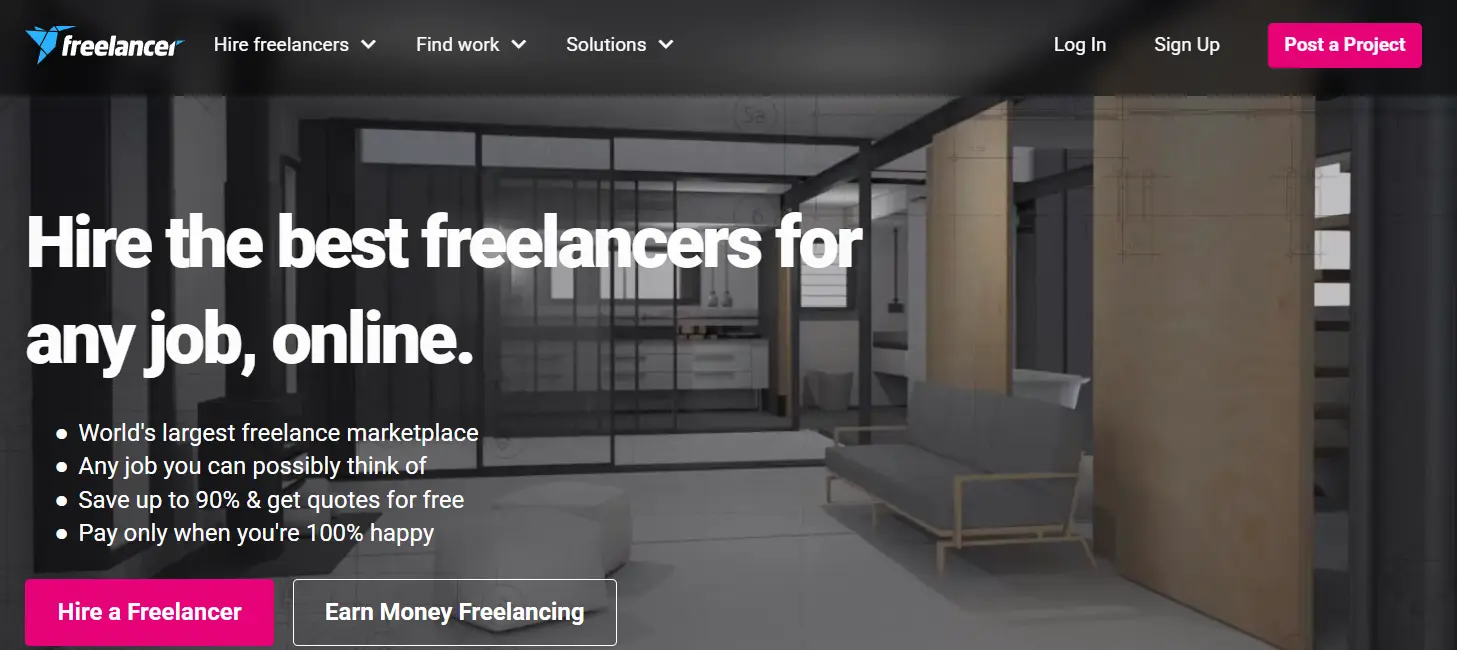
Freelancer is another well-established platform where you can work remotely. The higher the quality of your projects and the more satisfied clients you rack up on your record, the more your income grows and the further you’ll advance in your career. One nice advantage of Freelancer is its milestone-based payment system, which guarantees that once you’ve properly delivered the project, you’ll definitely get paid.
Fiverr
Fiverr is a hugely popular platform where, instead of just bidding on projects clients have posted, you can also package your own services (say, e-commerce website design) as ready-to-buy “gigs” so clients come straight to you. One interesting feature is that freelancers get rated on the platform — the more high-quality projects you deliver, the better your rating becomes, and the more easily clients trust you and reach out to you directly.
Toptal

Toptal is a platform geared toward more experienced professionals, and one of its interesting features is its skills-vetting process. In other words, you can prove your web design skills through a screening test, which makes it much easier to earn clients’ trust. On top of that, it opens the door to international clients and higher-value projects — a big plus for freelancers looking for work beyond their local market.
Joining Online Tech Job Marketplaces
Another route is signing up on job boards that specialize in the tech and IT field. Sites like Indeed and LinkedIn Jobs, for example, are well-established platforms in this space. You simply create a profile and upload your résumé.
On these same sites, you can head to the job search section and use the advanced search to filter listings. There you’ll find various job categories to choose from, so you can narrow things down and find remote web design projects.
Teaching on Social Media: Instagram, LinkedIn, and Beyond
Instagram is one of the most popular social networks out there, and plenty of people and business owners use it. You can set up an account and post your tutorials and portfolio pieces on it. And if you want to get orders faster, use niche web design hashtags — they help you get discovered by more people.
LinkedIn is its own story. This network is mostly made up of business owners and professionals, and when they need web design work, they’ll come to you. On LinkedIn, it’s usually either someone who wants to collaborate with you or a direct client — though plenty of people also work projects as intermediaries. The single most important key to success on these networks is offering unique, fresh, educational content.
Cold Outreach via Phone and Text
If you build up a database of phone numbers for businesses — for instance, ones whose sites rank on the first page of Google — you can reach out by text or phone call to pitch for projects. But let’s be honest: this method can be annoying for some people. So you’ll need strong verbal skills to win clients over if you want it to actually work.
Promoting Yourself Within Your Completed Work
Here’s a simple but effective trick: with your client’s permission, place a small banner or credit for yourself on the site you designed for them. That way, other visitors — and even competitors — get to know your work, which boosts your chances of landing new projects.
Building Trust with Clients
Building trust with clients you’ve already worked with is one of the most important strategies out there. Why? Because when a client is happy with the quality of your work and fully trusts you, they become your best advertisement! They’ll either recommend you to others by word of mouth or come back themselves for their next project. The result is clear: more projects for you.
Other Ways to Land Web Design Projects
Here are a few more methods worth knowing about:
- Posting ads on free classifieds sites like Craigslist, Gumtree, and similar platforms
- Teaming up with friends and acquaintances to refer projects, offering them a commission in return
- Partnering with outsourcing and remote-work agencies
- Using other freelancing sites like PeoplePerHour, Guru, 99designs, and more
A Few Practical Tips for Freelance Web Designers
Now that you’ve decided to start out as a freelancer, keep one important thing in mind: you usually won’t meet your client in person. So to win them over, you need a strong résumé with a clean, tidy presentation. Believe me, this alone makes a huge difference in landing projects.
Here’s another truth about freelancing: this job has its ups and downs. There may be times when lucrative projects keep rolling in one after another, and other times when there’s no work at all. During those quiet stretches, don’t lose heart — use the opportunity to sharpen your skills.
Mistakes Made by Beginner Freelancers
Many beginners share a set of common mistakes that make their work harder. Let’s go over the most important ones.
Having No Portfolio
Having no portfolio is genuinely dangerous for freelancers. Once you’ve chosen this line of work, you absolutely must have a portfolio, because it’s the very thing that demonstrates your skills. So put together your best pieces of work so clients can more easily grasp what you’re capable of.
Not Upgrading Your Expertise
You need to assess your field of work, identify your own skill gaps, and work on them. These skills could be things like getting comfortable with a particular program or piece of software, or even expanding your vocabulary of web design terminology.
Unclear Contact Channels
As a freelance web designer, your ways of getting in touch with clients need to be crystal clear. For example, put your contact number on your personal website, or make your messaging IDs (like Telegram and WhatsApp) and social media handles (Facebook, Twitter, Instagram) readily available. A client shouldn’t have to jump through hoops to find you!
No Clear Project Pricing
In freelance web design, you set your own project prices, and that pricing should be based on your skill level. A friendly piece of advice: if you’re just starting out, hold off on charging high rates.
Missing Agreed-Upon Deadlines
Before you accept a project, you should know how long it will take to complete and account for unexpected hiccups along the way. Unfortunately, many freelance web designers overlook this important point, which leads them to miss deadlines and lose their credibility with clients.
Conclusion
If you want to use the strategies we’ve covered to land web design projects, you absolutely need a clear strategy and goal for yourself. Never stop learning and, above all, be passionate about this field. Get familiar with the challenges and obstacles of this job and work to overcome them. Rest assured that with persistence and patience, you’ll earn a good income from web design. Wishing you all the best! 🙂

Ahura WordPress Theme
The Power to Change EverythingElementor Page Builder
The most powerful WordPress page builder with 100+ exclusive custom elements.
Incredible Performance
With Ahura’s smart modular loading technology, files load only when they are truly needed.
SEO Optimized for Google
Every line of code is carefully aligned with Google’s algorithms and best practices.
To post a comment, please register or log in first.